



-

The Energy Conservatory Red Protective Rubber Boot for DG-1000 Gauge, DG10-CAS-BTR – Case of 2 Minimum
The Energy Conservatory
Our Item #: 21406
- MFG #:
$60.00 -
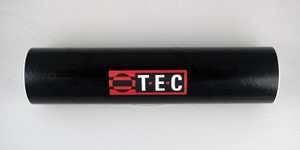
The Energy Conservatory TEC Fog Puffer Kit for Visual Air Leak Detection, SMPU-KIT-001 - Case of 2 Minimum
The Energy Conservatory
Our Item #: 21415
- MFG #:
$60.00 -

Regin Clean Smoke Emitter 4 Minute 2500 Cubic Ft. (Box of 5) S105CL
Regin
Our Item #: 21069.3
- MFG #:
$61.43 -
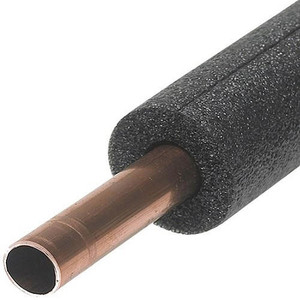
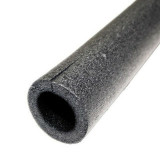
Frost King 3/4" x 6 ft. Foam Pipe Insulation 5P11XB6 - Case of 40
Frost King
Our Item #: 19831
- MFG #:
$64.40 -

Simply Conserve® Pipe Insulation Closure Clips Pack of 3 CCLIPS-B-CS - Case of 200 Bags
AM Conservation
Our Item #: 19889s
- MFG #:
$67.26 -
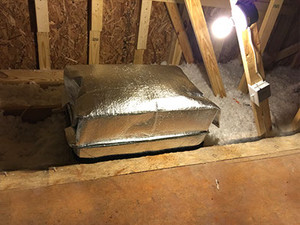 $69.75
 -
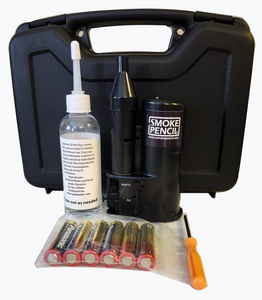
Smoke Pencil One Hard Field Kit – Professional Handheld Draft Detector & Air Flow Hazer Tool
Cleverly Solved
Our Item #: 20953s
- MFG #:
$69.99 -
 $71.50
 -
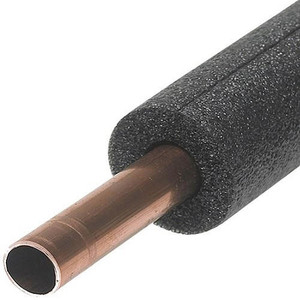
Frost King 1/2" x 6 ft. Foam Pipe Insulation 5P10XB6 - Case of 54 Minimum
Frost King
Our Item #: 19830
- MFG #:
$73.60 -
 $76.56
 -

Frost King 1" x 6 ft. Foam Pipe Insulation 5P12XB6 - Case of 32 Minimum
Frost King
Our Item #: 19832
- MFG #:
$76.61 -
 $83.16
The average homeowner spends approximately $600 on heating and cooling annually. Lower those costs immediately and increase indoor comfort by properly sealing and insulating the home. At Conservation Mart, we offer the tools to help you start saving right away. From large scale spray foam projects to sealing electrical outlets at exterior walls, here you'll find what you need to properly weatherproof your space.
Learn more about weatherizing your home or building.
Common Problems Weatherproofing Solves in Commercial Spaces
Drafts and comfort complaints in perimeter zones
Most commercial comfort issues start at the edges of the building. Leaky exterior doors, poorly sealed storefronts, and worn window gaskets let cold air pour in during winter and hot air creep in during summer. That shows up as tenant complaints, space heaters under desks, and thermostats getting cranked to compensate. Tightening up those openings helps stabilize perimeter temperatures, reduces short cycling on rooftop units, and keeps the building from feeling different room to room.
Moisture intrusion and condensation damage
Small gaps can turn into big moisture problems when wind-driven rain hits a wall assembly or when humid air finds a cold surface. Over time, that can mean stained ceiling tiles, corrosion on door frames, swelling at wood transitions, and mold risk in wall cavities or around windows. Weatherproofing at joints, penetrations, and transitions helps keep bulk water out and reduces the conditions that create condensation on metal, glazing, and cold pipes near exterior walls.
Loading docks, overhead doors, and large openings leaking air and dollars
Warehouses and distribution buildings live and die by their big openings. Dock doors, roll-up doors, and traffic doors are common sources of infiltration, especially when the building runs under negative pressure from exhaust or process equipment. The result is cold air dumping into work areas, dust getting pulled inside, and HVAC systems working overtime to keep up. Dock seals, door bottom seals, side seals, and strip curtains help cut the volume of outside air getting exchanged every hour, which makes a noticeable difference in comfort and energy use near the dock line.
Dust, pests, and indoor air quality headaches from unsealed gaps
Air leakage does not just affect temperature. Gaps at thresholds, wall penetrations, and door perimeters can bring in dust, fumes from parking areas, and pests looking for a path indoors. In restaurants, healthcare, and manufacturing, that can create cleanliness issues and extra load on filtration and housekeeping. Sealing those leak paths helps keep indoor air more controllable, protects sensitive spaces, and reduces the constant churn of outdoor contaminants coming through the building envelope.
Typical Commercial Applications
Offices, retail, and mixed-use common areas
Weatherproofing shows up fast in offices and storefront environments because the issues are customer-facing and complaint-driven. Entry doors that do not seal, drafty vestibules, and leaky storefront glazing create hot and cold zones near the perimeter, which pushes the HVAC to overcorrect. Tightening up doors, thresholds, window transitions, and small wall penetrations helps keep lobby spaces, conference rooms, and tenant suites steadier throughout the day, especially in windy conditions.
Warehouses, distribution centers, and light industrial
Big openings are the main culprit in warehouses. Loading docks, roll-up doors, and traffic doors can pull in cold air, humidity, and dust, particularly when exhaust fans or process equipment keep the building under negative pressure. Dock seals, door side seals, bottom seals, and strip curtains help cut infiltration where forklifts and deliveries create constant door cycles. Facilities also use weatherproofing products to reduce condensation near exterior walls, protect stored goods, and keep work areas more consistent during winter and shoulder seasons.
Healthcare, education, and public buildings
In occupied facilities with lots of foot traffic, weatherproofing is usually tied to comfort, indoor air control, and protecting finishes. Drafts at entrances and gaps around windows can create chilly waiting areas, classrooms, and corridors, while humid air leakage can drive condensation around cold surfaces. Sealing openings, improving door perimeters, and addressing penetrations helps stabilize temperature and humidity, reduces nuisance hot and cold calls, and supports more predictable HVAC operation without turning the building into a pressure mystery.
Hospitality, gyms, and high-humidity spaces
Hotels, fitness centers, and similar spaces deal with a mix of frequent door use and moisture load. Weatherproofing helps keep common areas comfortable, but it also protects the building from moisture issues that show up around exterior doors, pool-adjacent corridors, laundry areas, and mechanical spaces near outside walls. The right sealants, gaskets, and door components help limit humid air infiltration, which reduces condensation risk and helps equipment keep up without running nonstop.