


-
First Alert BRK SCO500B Wireless Interconnect Battery Powered Combination Smoke & CO Alarm with Voice
BRK Electronics
Our Item #: 18712
- MFG #:
$41.01 -

BRK First Alert Battery-Operated 2-in-1 Smoke & Co Alarm With Slim Profile Design SMCO200 - Case of 12 Minimum
BRK Electronics
Our Item #: 20317
- MFG #:
$41.43 -

BRK First Alert 10-Year Battery 2-in-1 Smoke & Co Alarm With Slim Profile Design SMCO210 - Case of 12 Minimum
BRK Electronics
Our Item #: 20314
- MFG #:
$44.77 -

BRK First Alert Interconnect Battery-Operated Smoke Alarm With Voice Alerts SM500V - Case of 12 Minimum
BRK Electronics
Our Item #: 20330
- MFG #:
$45.94 -
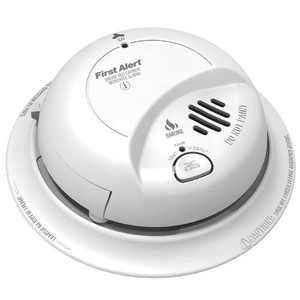
First Alert BRK SC9120LBL Combo Smoke/CO Alarm Hardwired 9V with Lithium 10 Year Sealed Battery Backup
BRK Electronics
Our Item #: 17721
- MFG #:
$52.12This product has been discontinued. Please see below for a suggested replacement. -

First Alert BRK SC7010B Photo/CO Smoke / Carbon Monoxide Alarm BBUP
BRK Electronics
Our Item #: 13127
- MFG #:
$52.64 -

BRK First Alert Battery-Operated 2-in-1 Smoke Alarm & Co Alarm With Voice Alerts SMCO200V - Case of 4 Minimum
BRK Electronics
Our Item #: 20315
- MFG #:
$52.77 -

First Alert BRK SC7010BV Hardwired Photo Smoke/CO Combo Alarm with Voice Warning and Battery Backup
BRK Electronics
Our Item #: 13128
- MFG #:
$54.29 -
BRK First Alert 10-Year Battery 2-in-1 Smoke & Co Alarm With Voice Alerts SMCO210V - Case of 12 Minimum
BRK Electronics
Our Item #: 20318
- MFG #:
$54.35 -

BRK First Alert Interconnect Battery-Operated Smoke & CO Alarm With Voice SMCO500V - Case of 12 Minimum
BRK Electronics
Our Item #: 20331
- MFG #:
$54.51 -
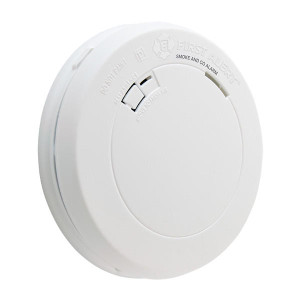
First Alert BRK Combo Smoke & Carbon Monoxide Voice Alarm with 10 Year Sealed Tamperproof Lithium Battery PRC710V
BRK Electronics
Our Item #: 18708
- MFG #:
$55.00 -
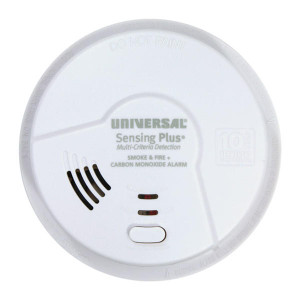
USI Multi Function Sensing Plus 10 Year Tamper Proof Battery Smoke / Fire / Carbon Monoxide Alarm Hallway AMICH3511SC - Case of 6 Minimum
USI
Our Item #: 19711
- MFG #:
$55.12
Take the safety of your home or building a step further with an alarm that not only detects smoke, but carbon monoxide as well. At Conservation Mart, we offer combination alarms from BRK and Kidde that use a variety of battery types. Many of the alarms feature advanced technology that provides a more accurate detection of smoke and carbon monoxide to avoid a late alarm. BRK and Kidde are leading manufacturers of these safety devices, and each provide a steady warranty in case replacement is required.
Why Choose a Carbon Monoxide and Smoke Detector Combo
Combo detectors make it easier to cover two safety needs with one device. You get smoke detection for fire related events plus carbon monoxide monitoring for an odorless gas that can build up from things like furnaces, water heaters, fireplaces, and attached garages. For most spaces, that means fewer devices to install, fewer batteries to keep track of, and a cleaner setup on ceilings and walls.
They also simplify maintenance. Testing, replacing batteries, and tracking end of life dates is more manageable when you are dealing with one unit in each key location instead of separate smoke alarms and CO alarms. Many models use distinct alarm patterns or voice alerts so it is clear what triggered the warning, which helps you react faster and make the right call.
Combo alarms can help you and your employees stay consistent across the building. It is a practical way to standardize what is installed, keep replacement cycles aligned, and make safety checks less of a hassle over time.
How Combo Smoke and CO Detectors Work
A carbon monoxide and smoke detector combo uses separate sensors inside the same unit, because smoke and carbon monoxide behave differently and need different detection methods. For smoke, many models rely on a photoelectric sensor that looks for changes in light caused by smoke particles. For carbon monoxide, the detector typically uses an electrochemical sensor that reacts to CO gas and measures its concentration over time.
When something is detected, the alarm is designed to tell you what type of hazard it is. Depending on the model, that can be done through distinct beep patterns, a voice alert, or indicator lights on the unit. That distinction matters because the right response is not always the same. Smoke generally points to a fire or heavy smoke condition, while carbon monoxide can indicate a venting issue or combustion problem even when the air looks totally normal.
Combo units also have built in logic to reduce false alarms while still responding quickly to real issues. Smoke alarms may be more sensitive in certain locations like kitchens, while CO alarms are built around exposure thresholds that account for both concentration and time. The end result is one device that monitors two hazards with purpose built sensors, then communicates the risk clearly when it matters.
Smoke Detection Technologies Explained
Most carbon monoxide and smoke detector combo units rely on photoelectric smoke detection, which is well suited for the types of fires that start slowly and produce a lot of smoke before open flames appear. This sensor works by shining a light inside a small chamber and watching for changes caused by smoke particles. When smoke enters the chamber, it scatters the light and triggers the alarm.
Photoelectric sensors are commonly chosen because they tend to produce fewer nuisance alarms from everyday activities like cooking or shower steam. That makes them a good fit for kitchens, hallways, and living spaces where traditional smoke alarms can sometimes be overly sensitive.
Some combo detectors may still use ionization based smoke sensing or a mix of technologies, depending on the model. Ionization sensors react faster to fast burning, flame heavy fires, but they are more likely to be triggered by non emergency smoke. Understanding which smoke detection method is used helps you match the alarm to the space and reduce unnecessary alerts without giving up protection.
Carbon Monoxide Detection Explained
Carbon monoxide is a colorless, odorless gas created when fuels like natural gas, oil, wood, or propane do not burn completely. Because you cannot see or smell it, carbon monoxide can build up indoors without any obvious warning signs. That is why dedicated CO sensing is such an important part of a combo alarm.
In a carbon monoxide and smoke detector combo, CO detection is usually handled by an electrochemical sensor. This type of sensor reacts when carbon monoxide is present and measures the amount of gas over time. The alarm is designed to sound when CO levels reach thresholds that are considered dangerous, rather than reacting to brief, harmless traces.
Common sources of carbon monoxide include furnaces, boilers, gas water heaters, fireplaces, stoves, and vehicles running in attached garages. A combo detector helps monitor these risks continuously, even when everything seems to be operating normally, and provides an audible warning if carbon monoxide levels rise to a point where action is needed.
Where to Install Combo CO and Smoke Detectors
Placement plays a big role in how well a carbon monoxide and smoke detector combo can do its job. These alarms are typically installed in hallways outside sleeping areas, on each level of a home, and near bedrooms so alerts can be heard at night. In larger homes or multi room layouts, using multiple units helps ensure full coverage instead of relying on a single alarm.
Combo detectors can usually be mounted on the ceiling or high on a wall, depending on the manufacturer’s guidance. Smoke rises, which is why ceiling placement is common, while carbon monoxide mixes evenly with indoor air. Keeping the unit away from direct cooking areas, bathrooms, or HVAC vents helps reduce nuisance alarms without sacrificing safety.
In commercial spaces, combo alarms are often placed to meet both fire safety and carbon monoxide requirements with fewer devices overall. Following placement guidelines and spacing recommendations helps the detector respond accurately to real hazards and makes alerts more reliable when they matter most.
Power Options and Backup Features
Carbon monoxide and smoke detector combo units are available with different power setups, and the right choice often depends on how the space is wired and how much long term maintenance you want. Battery powered models are common in existing homes and rentals because they are easy to install and do not require electrical work. These units rely entirely on batteries, so regular testing and timely replacement are important. But they're not ideal for large businesses.
Hardwired combo detectors connect directly to a building’s electrical system and usually include a battery backup. This setup keeps the alarm running during power outages and reduces how often batteries need to be changed. In many homes, hardwired units are also interconnected, meaning when one alarm sounds, the others go off as well, which can be helpful in larger spaces.
Some newer combo alarms use sealed lithium batteries designed to last for the life of the unit. These models eliminate routine battery changes and instead are replaced entirely when the sensor reaches the end of its service life. Understanding how each power option works helps you balance convenience, reliability, and ongoing upkeep.
Certifications and Safety Standards
When you are shopping for a carbon monoxide and smoke detector combo, certifications matter because they show the unit has been tested to recognized safety standards. Many reputable models are UL listed, which indicates the alarm meets specific performance and reliability requirements for smoke detection, carbon monoxide sensing, and alarm signaling.
It also helps to confirm the unit is rated for its intended use. Some models are designed for residential settings, while others may be appropriate for certain light commercial applications depending on local requirements. If you are outfitting a rental or managing a property, choosing certified alarms can make inspections smoother and helps keep your safety setup consistent across units.
On top of listings and standards, pay attention to features that support real world reliability, like end of life warnings, clear hazard identification, and interconnect compatibility if your building uses linked alarms. Certifications are the baseline, but these practical details often determine how well the alarm performs over the long haul.
Smart vs Standard Combo Detectors
A standard carbon monoxide and smoke detector combo focuses on the basics: reliable sensing and a loud, clear alarm when smoke or CO is detected. For many homes and rentals, that is enough. You install it in the right spots, test it regularly, and you know it will alert anyone on site if something goes wrong.
Smart combo detectors add connectivity, usually through WiFi, which can extend how you receive alerts. Depending on the model, you may get mobile notifications, app based status checks, and warnings when the battery is low or the device is nearing end of life. This can be especially helpful for second homes, short term rentals, or property managers who want visibility without being physically on site.
Another key difference is how alerts and system behavior are handled. Some smart models include voice alerts that identify whether the issue is smoke or carbon monoxide, and some support interconnected alarms that trigger together. If you want the simplest setup, standard models keep things straightforward. If you want remote awareness and extra monitoring features, smart models can be a better fit.
Maintenance and Replacement Guidelines
Combo smoke and CO detectors are not set and forget devices. Regular testing is important because it confirms the alarm can sound, the buttons work, and the unit is still responsive. Most manufacturers recommend testing monthly, plus any time you replace batteries or reinstall a unit after painting, remodeling, or long periods of vacancy.
Keep an eye on battery and power alerts. Battery powered models need fresh batteries on schedule, while hardwired units with battery backup still rely on that backup battery during outages. If your detector chirps, flashes a warning light, or announces a low battery condition, address it quickly so protection does not lapse.
Replacement timing matters too. Smoke and carbon monoxide sensors degrade over time, so most combo detectors are designed to be replaced on a set lifecycle, often around 7 to 10 years, depending on the model. Many units include an end of life warning to make this easier. Replacing old alarms on schedule helps ensure the sensors are still accurate and the device is performing the way it should.
Frequently Asked Questions About Carbon Monoxide and Smoke Detector Combos
Usually, yes. If your current alarm is battery-powered, swapping to a battery combo unit is typically straightforward. If you have hardwired smoke alarms, pick a hardwired combo model that matches your wiring setup and check that it’s approved for your building’s requirements.
Most combination units are designed to be replaced after about 7 to 10 years, depending on the model. Sensors wear out over time, so follow the manufacturer’s replacement date or end-of-life alert rather than stretching it.
It depends on the layout, number of rooms, and local code requirements, but a common baseline is coverage on every level and outside key occupied areas like offices or break rooms. For larger footprints, you typically want multiple units so an alarm is audible and effective anywhere people work.
Combo detectors can be very reliable because they use separate sensing systems inside one unit. The key is choosing a certified model with clear hazard identification, then installing it in the right locations and replacing it on schedule.
Battery-only units keep working as long as the battery is good. Hardwired combo alarms typically include battery backup, so they stay active during outages, but you still need to replace the backup battery when the unit indicates it’s low.