


-
 $49.95
 -
 $55.44
 -
 $56.17
 -

Touch n Seal CPDS Series 2 Check Valve Replacement 75650 50417
Touch n Seal
Our Item #: 15860s
- MFG #:
$84.00 -

Touch n Seal CPDS Control Panel Pressure Valve Replacement 75650 50404
Touch n Seal
Our Item #: 10915.2
- MFG #:
$99.50 -
Touch n Seal CPDS Cylinder Pressure Gauge Replacement 75650 50408
Touch n Seal
Our Item #: 10915.3
- MFG #:
$143.00 -
 $187.44
 -

Handi Foam 100 ft. Gun/Hose Assembly for System 8 Auto Calibrator Kit F66252
Fomo Products
Our Item #: 16353.2
- MFG #:
$212.80 -
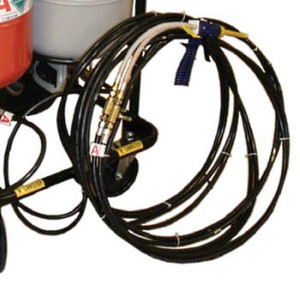
30 Ft Hose for Touch n Seal CPDS with Shutoff, Filter and Applicator 75650 00030
Touch n Seal
Our Item #: 15981.3
- MFG #:
$329.09 -
 $361.80
 -
$469.00
-

100 Ft Hose for Touch n Seal CPDS with Shutoff, Filter and Applicator 75650 50418
Touch n Seal
Our Item #: 15981.2
- MFG #:
$512.78
We carry a broad line of spray foam machines from Handi-Foam and Touch n Seal, two of the leaders in the spray foam industry.
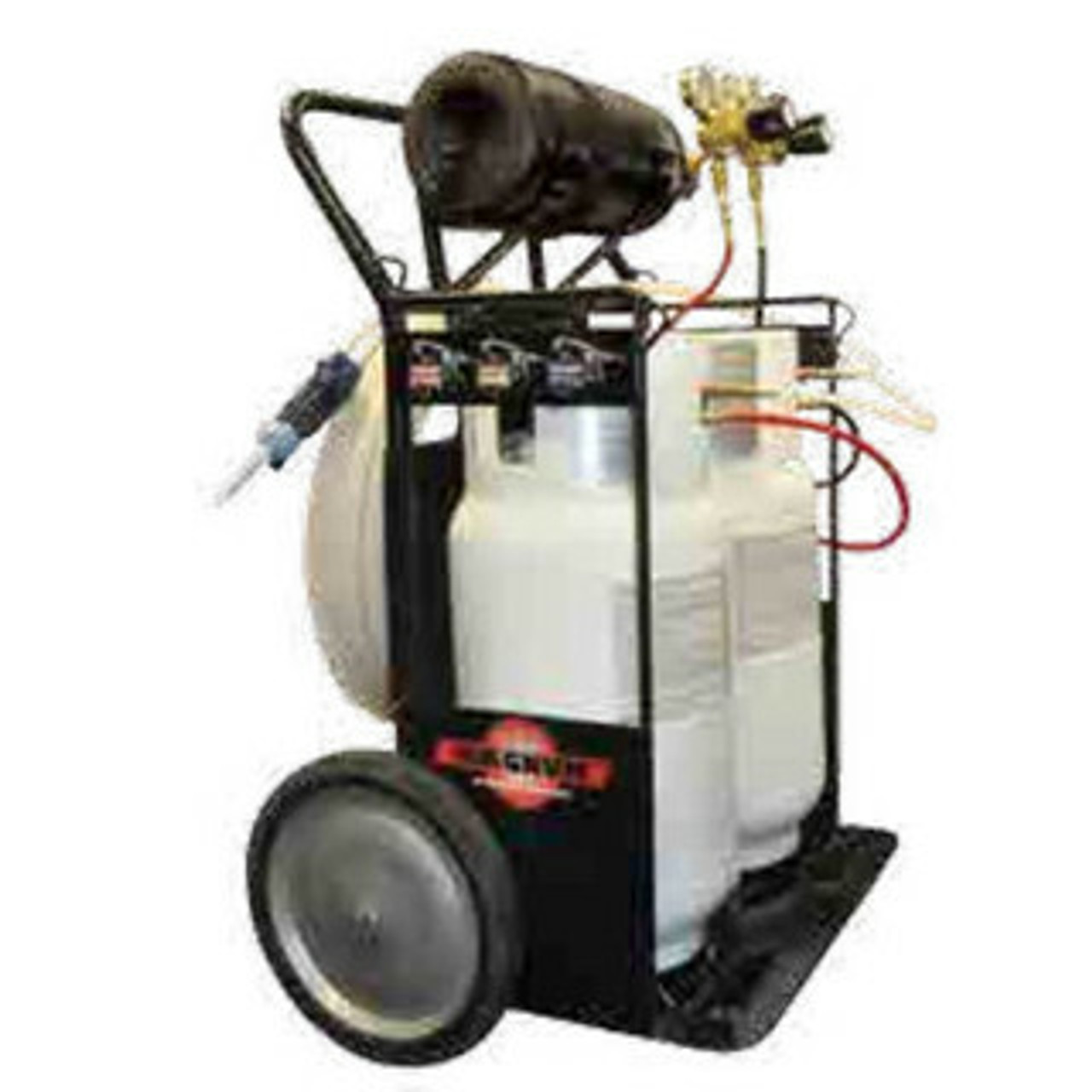
The CPDS Series 2 Machine from Touch 'N Seal combines convenience with efficiency by applying spray foam up to 2 and a half times faster than standard foam kits. It is a portable, constant pressure dispensing machine used to install Class I fire-retardant polyurethane foam. The foam is both insulating and sound attenuating.
Handi-Foam offers the System 8 Foampro Auto Calibrator Starter Kit. HandiFoam® Starter Kits include everything you need to begin using your HandiFoam low-pressure, polyurethane foam refillable system. It combines the latest technology in foam application along with ICP’s reputation for producing the highest quality foam.
What Foam Spray Machines Are Used For
Foam spray machines and foam sprayers are used to apply polyurethane foam in a controlled, repeatable way on commercial job sites. Instead of relying on small disposable kits, crews use these systems when they need consistent output, cleaner application, and predictable results across multiple rooms, units, or work orders.
Commercial air sealing and building envelope work
One of the most common uses is sealing gaps and joints that leak conditioned air. That includes rim areas, framing transitions, top plates, wall penetrations, and seams where different materials meet. A foam sprayer helps crews move quickly while still keeping the bead size and fill level consistent.
Sealing penetrations around MEP runs
Foam spray machines are a go-to for closing around conduit, pipe, cable bundles, duct boots, sleeves, and other pass-throughs. This is especially useful in mechanical rooms, above ceilings, and in utility chases where you have lots of small openings that add up to real energy loss.
Fireblocking and fire-retardant foam installs
On projects that call for fire-retardant polyurethane foam, a constant pressure dispensing machine helps maintain steady flow so installers can hit the intended coverage without overfilling voids. Fireblocking details vary by building type and local requirements, so the foam and the installation method should match the spec on the job.
Sound attenuation in walls, ceilings, and partition assemblies
Foam is also used as a sound attenuating material in certain assemblies and cavities where you want to reduce air movement and vibration paths. This shows up in offices, multi-tenant buildings, and back-of-house spaces where noise control matters.
Maintenance, retrofit, and punch-list sealing
Facilities teams and service contractors use foam sprayers for recurring maintenance work like sealing gaps created by equipment swaps, repairs, and tenant changes. Having a refillable system on hand can make it easier to handle small jobs without burning through single-use kits.
Low-Pressure Foam Spray Machines vs Disposable Foam Kits
Disposable foam kits can work for one-off sealing, but commercial teams usually move to low-pressure foam spray machines once the work becomes repeatable. The difference comes down to consistency, control, and cost across multiple jobs.
More consistent output from start to finish
Low-pressure machines are built to keep pressure steady, which helps maintain a predictable bead and fill. Disposable kits can taper as the cylinders cool or deplete, which makes it harder to keep results uniform across a full workday.
Better control on bead size and fill
Foam sprayers used with professional systems let installers dial in application pace and placement more easily. That matters when sealing penetrations, narrow gaps, or assemblies where overfilling creates cleanup and rework.
Refillable systems reduce waste on recurring work
If your team is sealing penetrations every week, handling tenant improvements, or doing ongoing building envelope repairs, refillable systems usually create less packaging waste than constantly cycling through single-use kits.
Lower cost per job as volume increases
For higher frequency use, the math often shifts in favor of a machine. You are spreading the equipment cost across many installs, and you avoid paying the premium that comes with buying small kits over and over.
Fewer workflow interruptions for crews
On larger punch lists, service runs, or multi-room sealing, downtime adds up. A foam spray machine setup can help keep crews moving by reducing changeovers and keeping application more predictable.
Machine Types and System Configurations
Foam spray machines and foam sprayers come in a few common setups, and the right choice usually comes down to how often you spray, how mobile your crew needs to be, and how much output you need per shift.
Portable foam spray machines for on-the-go crews
Portable systems are a good fit for maintenance teams, service contractors, and smaller crews that move between rooms, units, or job sites. They are easier to transport, faster to stage, and practical when the work is spread out instead of concentrated in one area.
Constant pressure dispensing machines for steadier application
Constant pressure setups are built to keep flow stable, which helps with consistent fill and cleaner application across longer runs. This style is often used when speed and repeatability matter, like larger air sealing scopes or jobs that specify fire-retardant polyurethane foam.
Starter kits for teams moving beyond disposable kits
Starter kits are designed for crews that want a refillable system without overcomplicating setup. They typically bundle the essentials so you can get spraying quickly, then expand later as your usage increases.
High-frequency use setups for repeated work orders
If your team sprays foam regularly, look for configurations that support faster changeovers and consistent day-to-day output. This usually means prioritizing dependable dispensing, easy storage and transport, and a setup your crew can run without babysitting it.
Choosing your setup based on job volume
For occasional sealing, portability and simplicity tend to matter most. For steady weekly use, consistency and workflow efficiency start to outweigh the appeal of disposable kits.
Brand Overview and System Highlights
We stock foam spray machines from Touch ‘n Seal and Handi-Foam, two brands commonly used on professional job sites. Both offer low-pressure systems designed for consistent application, with different strengths depending on your workflow and volume.
Touch ‘n Seal: CPDS Series 2 Machine
The Touch ‘n Seal CPDS Series 2 is a portable, constant pressure dispensing machine built for faster application and steadier output than standard foam kits. It is commonly used for commercial sealing and insulation work where crews need predictable dispensing across multiple areas. This system is also used to install Class I fire-retardant polyurethane foam, which is often specified on commercial projects. The applied foam can support insulation goals and provide sound attenuation in certain assemblies.
Handi-Foam: System 8 Foampro Auto Calibrator Starter Kit
The Handi-Foam System 8 Foampro Auto Calibrator Starter Kit is a refillable, low-pressure polyurethane foam system designed to get teams spraying without a complicated setup. The kit format works well for crews stepping up from disposable kits and for facilities teams that need a dependable system on hand for recurring sealing and repair work. It pairs professional foam application hardware with a setup intended for consistent use over time.
Which one makes more sense for your team?
If your priority is steady pressure and faster application on larger scopes, the CPDS-style constant pressure approach is usually a better match. If you want a refillable starter setup that supports repeat work and easy onboarding for crews, the System 8 starter kit format tends to fit well.
Frequently Asked Questions About Foam Spray Machines and Foam Sprayers
A foam spray machine is built for repeat use with more consistent dispensing, while disposable foam kits are meant for limited, one-time jobs. Commercial crews usually switch to machines when they want steadier output, less downtime from changeovers, and better control over bead size and fill.
Yes, some systems are used to apply fire-retardant polyurethane foam, but compatibility depends on the exact machine and foam product. For commercial jobs, match the foam type and any fire classification requirements to the project spec and the manufacturer’s approved use notes.
Start with how often your crew sprays. For occasional sealing and maintenance, a portable refillable setup is usually the easiest to live with. For frequent installs or larger scopes, constant pressure dispensing tends to deliver more consistent output and faster workflow across longer runs.
Yes. Foam sprayers are commonly used for commercial air sealing around penetrations, framing transitions, and gaps in the building envelope. Depending on the assembly, polyurethane foam can also help reduce air movement that contributes to noise transfer in walls and ceilings.
Temperature, staging, and pause time matter most. Cold conditions can impact material flow, and stop-and-go work can lead to curing at the tip if you are not following the manufacturer’s guidance. Good layout planning, proper storage, and having the right accessories on hand help keep output steady.