


-
 $14.99
 -

BN-Link 10" x 20.75" Seedling Heat Mat with Thermostat Controller Combo Set- Case of 42 Minimum
BN-Link
Our Item #: 21461s
- MFG #:
$18.23 -
 $24.99
 -

BN-Link 20" x 20.75" Seedling Heat Mat with Thermostat Controller Combo Set- Case of 28 Minimum
BN-Link
Our Item #: 21462s
- MFG #:
$27.23 -
 $33.75
 -
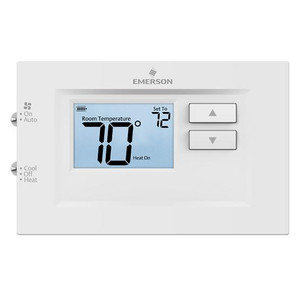
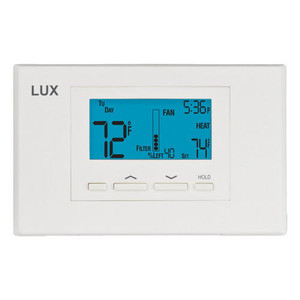
White-Rodgers Non-Programmable Digital Thermostat 1F75C-11NP, 70 Series - Pack of 6 Minimum
White-Rodgers
Our Item #: 19469
- MFG #:
$34.55 -
 $39.99
 -

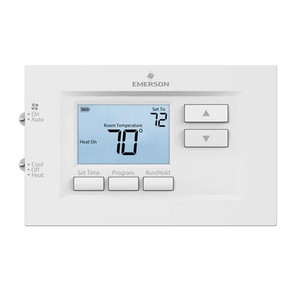
White-Rodgers 5/2 Day Programmable 70 Series Thermostat 1F78-151 - Pack of 6 Minimum
White-Rodgers
Our Item #: 19456s
- MFG #:
$42.97 -
 $43.46
 -

Emerson White Rogers Blue Display Single Stage 2 Inch Thermostat 1F80-0261- Minimum of 6
Emerson
Our Item #: 20860s
- MFG #:
$44.50 -
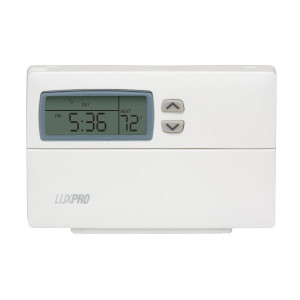
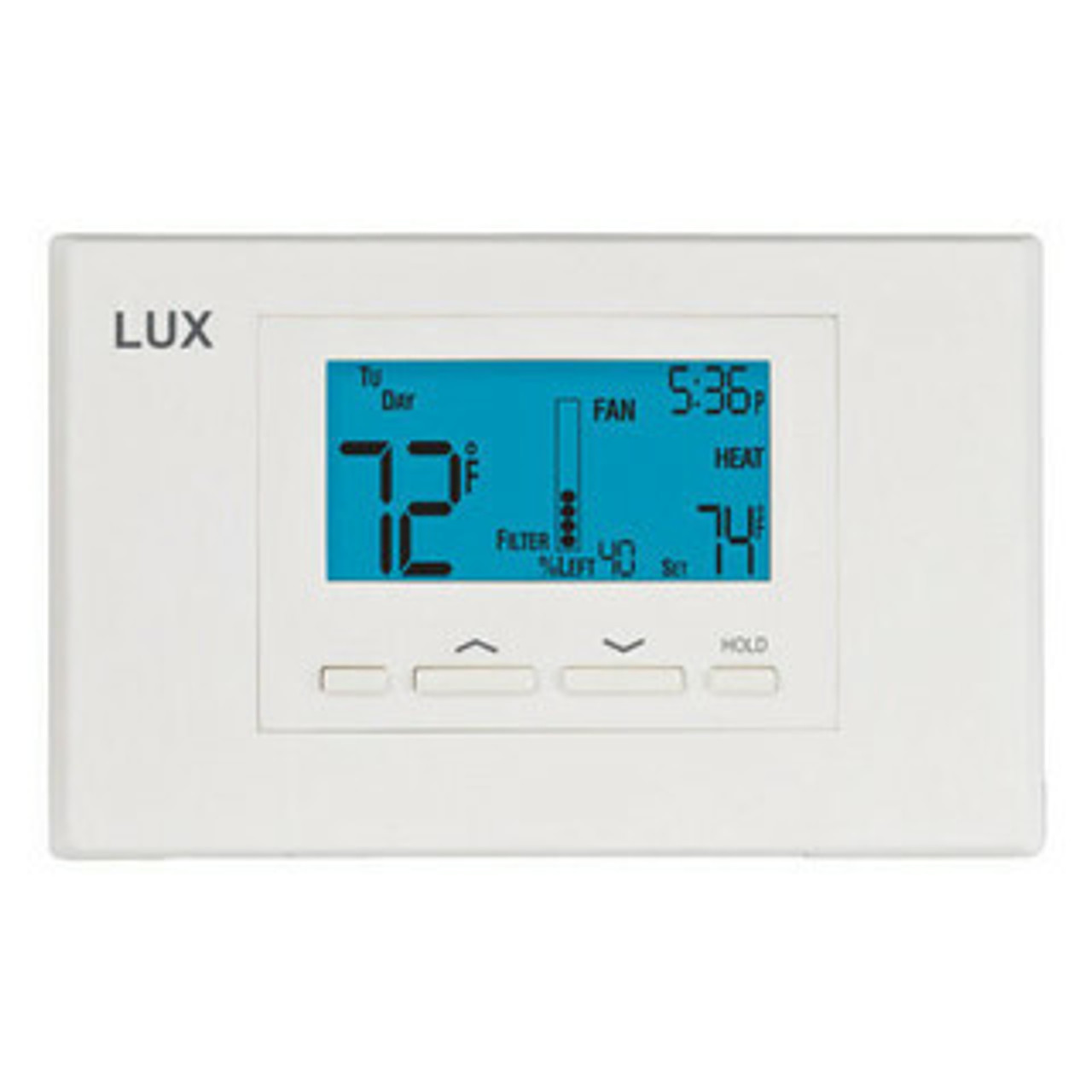
Lux 5-2 day Programmable Thermostat PSP511C 1 Heating 1 Cooling - Case of 10 Minimum
Lux
Our Item #: 10825
- MFG #:
$47.23This product has been discontinued. Please see below for a suggested replacement. -
 $50.54
What Makes a Smart Thermostat ENERGY STAR Certified?
Not every smart thermostat earns an ENERGY STAR certification. To qualify, a thermostat has to meet strict energy-saving performance standards designed to reduce unnecessary heating and cooling usage without making your home or building less comfortable.
Heating and cooling systems are usually the largest source of energy use in a home or commercial space. A certified smart thermostat helps control that usage more efficiently by learning occupancy patterns, adjusting temperatures automatically, and reducing HVAC runtime when it is not needed.
Most ENERGY STAR certified smart thermostats include features like:
Automatic scheduling based on daily routines
Remote temperature control through a mobile app
Occupancy sensing that adjusts settings when nobody is home
Energy usage reports that help identify waste
Smart alerts for extreme temperatures or HVAC issues
Adaptive recovery that brings rooms to the right temperature at the right time
Unlike traditional programmable thermostats that rely entirely on manual scheduling, smart thermostats continuously adjust based on real-world usage. Many models can detect when people leave the house, pause unnecessary heating or cooling, then restore comfort settings before anyone returns.
Popular manufacturers like Google Nest, ecobee, and Honeywell Home have developed ENERGY STAR certified systems that work with a wide range of HVAC setups, including furnaces, central air systems, heat pumps, and multi-stage equipment.
For businesses, these thermostats can help reduce overhead costs tied to office HVAC usage, retail climate control, and after-hours energy waste. Even small temperature adjustments across a large building can make a noticeable difference in monthly utility bills over time.
Many utility providers also offer rebates on ENERGY STAR certified smart thermostats because lowering HVAC demand helps reduce strain on the electrical grid during peak usage periods.
Benefits of ENERGY STAR Certified Smart Thermostats
One of the biggest reasons people upgrade to ENERGY STAR certified smart thermostats is simple: heating and cooling costs add up fast. A smart thermostat helps reduce wasted energy by adjusting temperatures automatically throughout the day instead of running your HVAC system harder than necessary.
In many homes, the HVAC system keeps working even when nobody is around. Smart thermostats help fix that problem by learning occupancy patterns, using geofencing technology, and automatically switching to energy-saving settings when the space is empty.
Remote access is another major advantage. Most systems connect to WiFi and let you control temperatures directly from your phone using apps like Google Home or the ecobee App. If plans change or temperatures shift suddenly, you can make adjustments from almost anywhere.
Comfort also improves when temperatures stay more consistent throughout the day. Instead of dramatic swings between hot and cold rooms, smart thermostats help maintain steadier indoor conditions by monitoring runtime, humidity, and system performance more closely than traditional thermostats.
For homeowners with heat pumps or multi-stage HVAC systems, advanced smart thermostats can help equipment operate more efficiently by reducing short cycling and optimizing stage changes. That can help extend the lifespan of heating and cooling equipment while lowering strain on the system.
Businesses often benefit even more because HVAC costs can become a major operating expense in offices, retail stores, restaurants, and commercial buildings. Smart scheduling allows businesses to reduce heating and cooling during off-hours while still maintaining comfortable temperatures during operating hours.
Many ENERGY STAR certified thermostats also provide detailed energy reports that break down heating and cooling usage trends over time. These insights can help homeowners and facility managers identify patterns that increase utility bills and make better decisions about energy usage moving forward.
Over time, the combination of automated scheduling, occupancy sensing, remote access, and HVAC optimization can lead to meaningful energy savings while improving overall comfort. Many smart thermostats also integrate with voice assistants and larger smart home systems, giving users more control over how their space operates day to day. Lower energy usage also means reduced environmental impact, which is one of the reasons utility companies frequently offer rebates on ENERGY STAR certified models.
Popular Types of ENERGY STAR Certified Smart Thermostats
Not all smart thermostats are built the same. Some are designed for simple residential HVAC systems, while others are made for heat pumps, zoned climate control, or larger commercial buildings. Choosing the right model starts with understanding how your heating and cooling system operates and which features actually matter for your space.
WiFi smart thermostats are the most common option for homeowners. These models connect directly to your wireless network and allow remote temperature control through a smartphone app. They are popular because they are relatively easy to install and give users more control over heating and cooling schedules without needing to manually adjust settings throughout the day.
Learning thermostats take automation a step further. Models like the Google Nest Learning Thermostat monitor usage habits over time and automatically create schedules based on how people actually use the space. Instead of programming every temperature change manually, the thermostat adapts on its own as routines develop.
Homes with multiple floors or inconsistent room temperatures often benefit from zoned HVAC thermostats. These systems allow separate areas of the building to maintain different temperatures independently. Zoned climate control can help reduce energy waste in unused rooms while improving comfort in heavily occupied spaces.
Heat pump systems require thermostats specifically designed to manage heating and cooling changeovers efficiently. A standard thermostat may not properly handle auxiliary heat stages or compressor timing, which can increase energy usage and wear on the equipment. Smart thermostats built for heat pumps help optimize performance while maintaining more stable indoor temperatures.
Commercial smart thermostats are commonly used in offices, retail stores, restaurants, warehouses, and multi-unit buildings where HVAC costs can become a major overhead expense. These systems often include advanced scheduling controls, centralized management dashboards, occupancy monitoring, and detailed energy reporting tools that help businesses reduce unnecessary runtime.
Many modern smart thermostats also integrate with larger smart home ecosystems. Products like the ecobee Smart Thermostat Premium and Honeywell Home T9 can connect with voice assistants, smart sensors, security systems, and home automation platforms for more connected climate control throughout the property.
The best thermostat for one building may not be the best option for another. HVAC compatibility, wiring setup, building size, occupancy patterns, and energy-saving goals all play a role in choosing the right ENERGY STAR certified smart thermostat.
Smart Thermostat Features That Actually Matter
A lot of smart thermostats advertise long feature lists, but some functions make a much bigger difference in real-world energy savings and daily comfort than others. The most useful features are the ones that help your HVAC system run more efficiently without requiring constant adjustments.
Occupancy Sensing
Occupancy sensing is one of the biggest upgrades over traditional programmable thermostats. Many ENERGY STAR certified models use built-in sensors or paired room sensors to detect movement and determine when people are actively using a space. Instead of heating or cooling an empty house all day, the thermostat can automatically shift into an energy-saving mode until someone returns.
Geofencing
Geofencing technology works similarly by using your phone’s location to adjust temperatures automatically when you leave or approach home. That helps reduce unnecessary HVAC runtime while still keeping the building comfortable when people arrive.
Energy Reporting Tools
Energy reporting tools are another feature that tends to get overlooked at first but becomes extremely useful over time. Many smart thermostats track heating and cooling usage patterns and provide monthly reports showing runtime trends, temperature adjustments, and estimated energy savings. These reports can help homeowners and business owners spot patterns that increase utility bills.
Voice Assistant
Voice assistant integration has also become common with modern smart thermostats. Many systems work with Amazon Alexa, Google Assistant, and Apple HomeKit, allowing users to adjust temperatures with simple voice commands or include HVAC controls within larger smart home routines.
Humidity Monitoring
Humidity monitoring can make a noticeable difference in indoor comfort, especially during summer and winter months when air can become excessively humid or dry. Some smart thermostats help manage humidity levels alongside temperature settings, helping the space feel more comfortable without overworking the HVAC system.
Maintenance Alerts
Maintenance alerts are another practical feature, particularly for businesses or larger homes where HVAC downtime can become expensive. Smart thermostats can send alerts when filters need replacement, when system performance changes unexpectedly, or when temperatures move outside normal operating ranges.
Compatibility
Compatibility matters just as much as features. Some thermostats require a C-wire for continuous power, while others include adapter kits for older systems. Multi-stage furnaces, heat pumps, dual fuel systems, and zoned HVAC setups may also require more advanced thermostat models to operate properly.
For many homeowners and businesses, the goal is not simply adding more technology. The real value comes from better control, lower energy waste, and a heating and cooling system that operates more efficiently day after day.
Frequently Asked Questions About Smart Thermostats
What does ENERGY STAR certification mean for a smart thermostat?
An ENERGY STAR certified smart thermostat meets energy-saving standards set to reduce unnecessary heating and cooling usage. These thermostats use features like automated scheduling, occupancy sensing, and remote temperature control to help lower energy consumption without sacrificing comfort.
Do smart thermostats actually lower utility bills?
Yes. Smart thermostats help reduce heating and cooling waste by adjusting temperatures automatically based on occupancy, schedules, and usage habits. Many homeowners and businesses see lower monthly utility costs because the HVAC system runs more efficiently throughout the day.
Can ENERGY STAR smart thermostats work with older HVAC systems?
Many ENERGY STAR certified smart thermostats are compatible with older furnaces, air conditioners, and heat pumps, but compatibility depends on the wiring setup and HVAC equipment. Some systems may require a C-wire adapter or professional installation to ensure proper operation.
Are smart thermostats worth it for commercial buildings?
Smart thermostats can make a noticeable difference in offices, retail stores, restaurants, and other commercial spaces where HVAC costs are a major operating expense. Features like automated scheduling, remote management, occupancy sensing, and energy usage reporting help businesses reduce unnecessary runtime and improve overall energy efficiency.