


-
 $0.17
$0.17 -

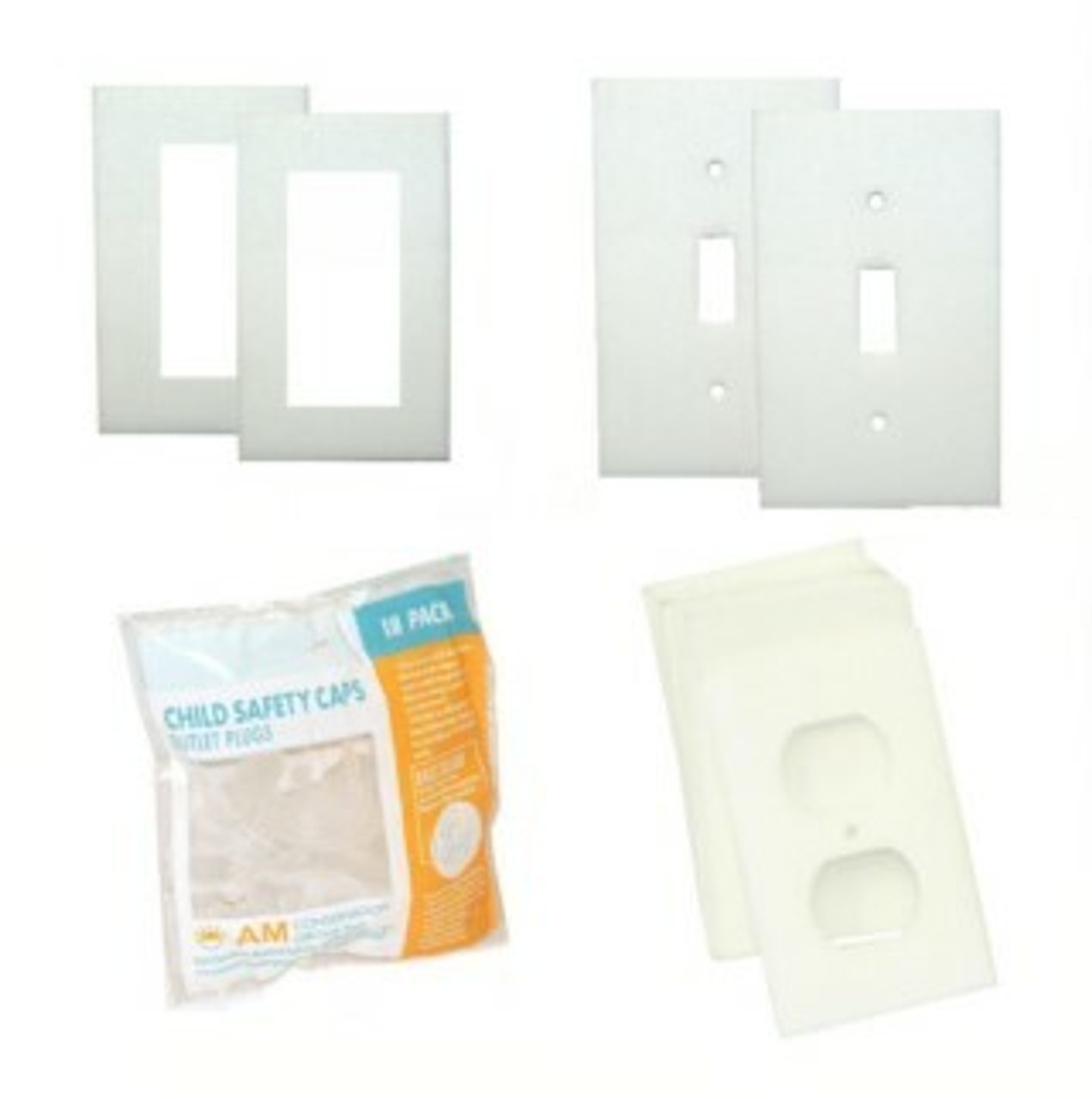
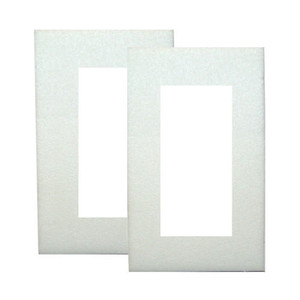
Foam Electrical Outlet Sealing Gasket AM55011 - Case of 200 Minimum
AM Conservation
Our Item #: 10284s
- MFG #:
$0.17 -
 $0.17
$0.17 -
 $0.19
$0.19 -

AM Conservation Universal Gasket for Wall Outlet, Light Switch, or Decor Switch - Case of 200 Minimum
AM Conservation
Our Item #: 20481s
- MFG #:
$0.21 -

Electrical Outlet Child Safety Caps - SC001-18B - Pack of 18 Minimum
AM Conservation
Our Item #: 10286s
- MFG #:
$1.95 -

LESSCO Air Vapor Barrier Electrical Outlet Sealing Box - Pack of 10 Minimum
Lessco Low Energy Systems
Our Item #: 10289s
- MFG #:
$3.97 -

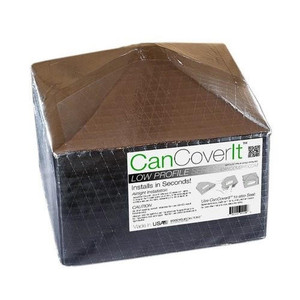
Insullite 10” x 10” x 12” Recessed Light Cover - IL10 Case of 25 Min Quantity
ISI Building Products
Our Item #: 20501s
- MFG #:
$8.00 -

Insullite 12.5” x 12.5” x 14” Recessed Light Cover IL12 - Case of 25 Minimum
ISI Building Products
Our Item #: 20502s
- MFG #:
$9.67 -
 $45.50
 -
 $59.75
 -

Large Case of Foam Decora Switch Sealing Gasket - Case of 2400 Minimum
NRG
Our Item #: 13593.2s
- MFG #:
$264.00
What Outlet Seals and Socket Sealers Are
Outlet seals and socket sealers are thin insulation gaskets designed to sit directly behind electrical outlet and switch cover plates. In commercial buildings, they act as a simple air barrier at one of the most overlooked leakage points in the building envelope. Electrical boxes often connect wall cavities to conditioned spaces, allowing outside air to move freely through outlets if they are left unsealed.
Most outlet seals are made from closed-cell foam that compresses tightly when the cover plate is reinstalled. This creates a continuous seal around the electrical box without interfering with wiring or device operation. Socket sealers work the same way but are shaped to fit specific outlet or switch configurations, making them easy to standardize across large facilities.
In commercial retrofits, outlet seals are commonly used as part of broader air sealing and weatherization efforts recommended during energy audits. They are low profile, fast to install, and require no special tools, which makes them practical for maintenance teams working in occupied spaces. By reducing uncontrolled air movement at electrical boxes, outlet seals help support HVAC efficiency, improve occupant comfort, and reduce wasted heating and cooling energy across the building.
Why Electrical Outlets Are a Common Air Leakage Point
Electrical outlets and switches create direct penetrations through finished walls into wall cavities, plenums, or unconditioned spaces. In commercial buildings, these cavities often connect vertically and horizontally across large areas, which makes them an easy path for air movement. When pressure differences exist between indoors and outdoors, air is naturally pushed or pulled through these openings.
Mechanical systems, stack effect, and wind pressure all play a role. Heated air rising in winter or cooled air sinking in summer increases pressure imbalances, forcing conditioned air toward the path of least resistance. Electrical boxes that are not sealed allow that air to escape into wall cavities, where it is effectively lost from the conditioned space. The same pathways also allow outside air to enter, creating drafts and temperature inconsistency.
Building standards and energy guidelines from organizations like ASHRAE recognize uncontrolled air infiltration as a contributor to higher HVAC loads and reduced system performance. Even though individual outlets are small, the cumulative effect across dozens or hundreds of boxes adds up quickly in offices, schools, healthcare facilities, and multifamily properties. Sealing these openings helps close off a network of minor leaks that quietly undermine overall building efficiency.
Commercial Benefits of Outlet Seals and Socket Sealers
Outlet seals and socket sealers deliver measurable value in commercial buildings by addressing air leakage without adding complexity to maintenance or operations. When outlets are sealed, less conditioned air escapes into wall cavities, which helps stabilize indoor temperatures and reduces the amount of heating and cooling required to maintain setpoints. Over time, this supports lower energy use and more predictable utility costs.
These products also help reduce drafts near exterior walls and perimeter zones, which are common comfort complaints in offices, classrooms, and multifamily units. By limiting cold or hot air infiltration at electrical boxes, outlet seals contribute to more consistent room conditions without relying on thermostat adjustments or equipment changes.
From a facility management perspective, outlet seals fit easily into routine upgrades and retrofit projects. They are inexpensive, quick to install, and scalable across large portfolios, making them a practical addition to energy audits, weatherization plans, and efficiency programs focused on incremental improvements that add up across the building.
Typical Commercial Applications
Outlet seals and socket sealers are commonly used across a wide range of commercial building types where air leakage control and operational efficiency matter at scale. In office buildings, they are often installed during tenant improvements or energy retrofits to reduce perimeter drafts and support consistent temperature control across workspaces. Schools and universities use them to limit uncontrolled air movement in classrooms, dormitories, and administrative areas, where comfort complaints and energy waste tend to show up quickly.
Healthcare facilities and medical offices apply outlet seals as part of broader envelope tightening efforts, especially in patient rooms and treatment areas where stable indoor conditions are a priority. In multifamily and mixed use buildings, sealing outlets helps reduce air transfer between units and common areas, supporting better temperature balance and improved overall building performance.
Government buildings, municipal facilities, and other large portfolios rely on outlet seals as a repeatable upgrade that maintenance teams can deploy during routine work. Because installation is fast and does not disrupt occupants, these products fit well into phased retrofit plans and ongoing energy efficiency initiatives without requiring downtime or specialized labor.
Outlet Seal Materials and Design Types
Most outlet seals and socket sealers used in commercial settings are made from closed cell foam designed to compress evenly behind the cover plate. This material creates a tight seal around the electrical box while resisting moisture absorption and breakdown over time. Closed cell construction is especially useful in perimeter walls and exterior facing rooms where temperature differences and humidity can be more pronounced.
Designs typically vary by outlet configuration rather than by complexity. Standard duplex outlet seals, toggle switch seals, and rocker switch seals allow facilities to match the gasket to the device already in place. This makes it easier to standardize inventory and speed up installation across large buildings. Oversized or full box gaskets are also available for applications where wall openings are irregular or where additional coverage is needed around the box perimeter.
In some commercial environments, fire resistant outlet seals are specified to align with life safety requirements and inspection standards. These products are designed to maintain their shape and performance without interfering with wiring clearances or device operation. Selecting the right material and design comes down to wall construction, outlet type, and any code or safety considerations tied to the building.
Installation Considerations for Commercial Settings
Outlet seals and socket sealers are designed to fit into active commercial environments where speed and consistency matter. Installation typically involves removing the outlet or switch cover plate, placing the seal over the device, and reinstalling the cover. No cutting, adhesives, or specialized tools are required, which allows maintenance teams to work room by room without shutting down electrical circuits or disrupting occupants.
In larger facilities, outlet sealing is often scheduled alongside routine maintenance, lighting upgrades, or minor renovations. Because each seal installs in minutes, crews can address dozens of outlets in a single pass, making it easy to scale across floors or entire buildings. Consistent placement and proper alignment help ensure the seal compresses evenly and does not interfere with the outlet or switch operation.
Safety and compliance remain straightforward when outlet seals are used as intended. The seal sits outside the electrical box and does not contact wiring or terminals. As with any electrical work, staff should follow basic workplace safety practices outlined by OSHA, but no special training is typically required. This makes outlet seals a low friction upgrade that fits well into ongoing facility operations.
Code, Safety, and Compliance Factors
Outlet seals and socket sealers are designed to improve air sealing without interfering with electrical performance or life safety requirements. When properly specified, they sit outside the electrical box and behind the cover plate, which means they do not affect wiring clearances, conductor temperature, or device operation. This placement keeps them aligned with standard electrical installation practices.
In commercial buildings, compliance with the National Electrical Code is a key consideration during inspections and retrofit work. Outlet seals do not modify the electrical box itself and are generally permitted as long as they do not obstruct access to wiring or create heat buildup. Many facilities also specify materials that are fire resistant or self extinguishing to align with internal safety standards and local code interpretations.
From a risk management standpoint, outlet seals are viewed as a low impact upgrade. They are commonly accepted during energy efficiency projects, tenant improvements, and weatherization work because they improve building performance without introducing new inspection hurdles. Selecting products intended for commercial use and installing them consistently helps ensure smooth approvals during audits and routine inspections.
Frequently Asked Questions About Outlet Seals and Socket Sealers
Outlet seals and socket sealers block air movement through electrical boxes by sealing the gap between the outlet or switch and the wall opening. This reduces drafts and limits conditioned air loss into wall cavities.
No. When installed correctly, outlet seals sit behind the cover plate and outside the electrical box. They do not contact wiring, terminals, or devices and do not interfere with normal outlet or switch operation.
Yes, outlet seals are commonly accepted in commercial buildings because they do not modify the electrical box or wiring. Many facilities specify fire-resistant materials to align with internal safety standards and inspection requirements.
They are most often installed on exterior walls, perimeter offices, classrooms, dwelling units, and other areas where air leakage and comfort complaints are more likely to occur.
Quality outlet seals made from closed cell foam typically last for many years without maintenance. They remain effective through normal temperature swings and routine cover plate removal during renovations.