
When winter hits, those cold drafts and high heating bills can sneak up fast. Weatherizing your home isn’t just about comfort; it’s one of the smartest ways to save money all season long. By sealing up leaks, adding insulation, and making a few small upgrades, you can keep warm air in, cold air out, and your energy costs under control. The best part? Most of these fixes are quick, affordable, and easy enough to do yourself over a weekend.
Below, find 7 cheap ways to weatherize your home this winter:
Insulate Exposed Pipes and Your Water Heater
Frozen pipes are one of the most expensive winter problems homeowners deal with, especially in older homes, basements, crawl spaces, garages, and exterior walls where cold air can sneak in fast. The good news is that insulating exposed pipes is cheap, simple, and usually takes less than an afternoon.
Foam pipe insulation sleeves are one of the easiest upgrades you can make before temperatures drop. They slide directly over exposed plumbing and help hold heat inside the pipe longer during cold weather. Most hardware stores carry them in different diameters, and they usually cost just a few dollars per section. Pay special attention to pipes near foundation walls, unfinished basements, attics, and garages because those areas tend to get much colder than the rest of the house.
If you live in an area with harsh winters, heat tape can add another layer of protection for vulnerable plumbing lines. It helps keep pipes warm during extreme cold snaps and can be especially useful for older homes with less insulation.
Your water heater is another spot where a small winter upgrade can lower utility costs. A water heater blanket helps reduce standby heat loss, which means your system does not need to work as hard to keep water hot throughout the day. Older water heaters usually benefit the most from this upgrade. Pairing that with insulated hot water pipes can help hot water reach faucets faster while reducing wasted energy.
A few inexpensive insulation upgrades can help prevent burst pipes, lower water heating costs, and make your plumbing system work more efficiently all winter long.
Use Draft Stoppers and Door Sweeps
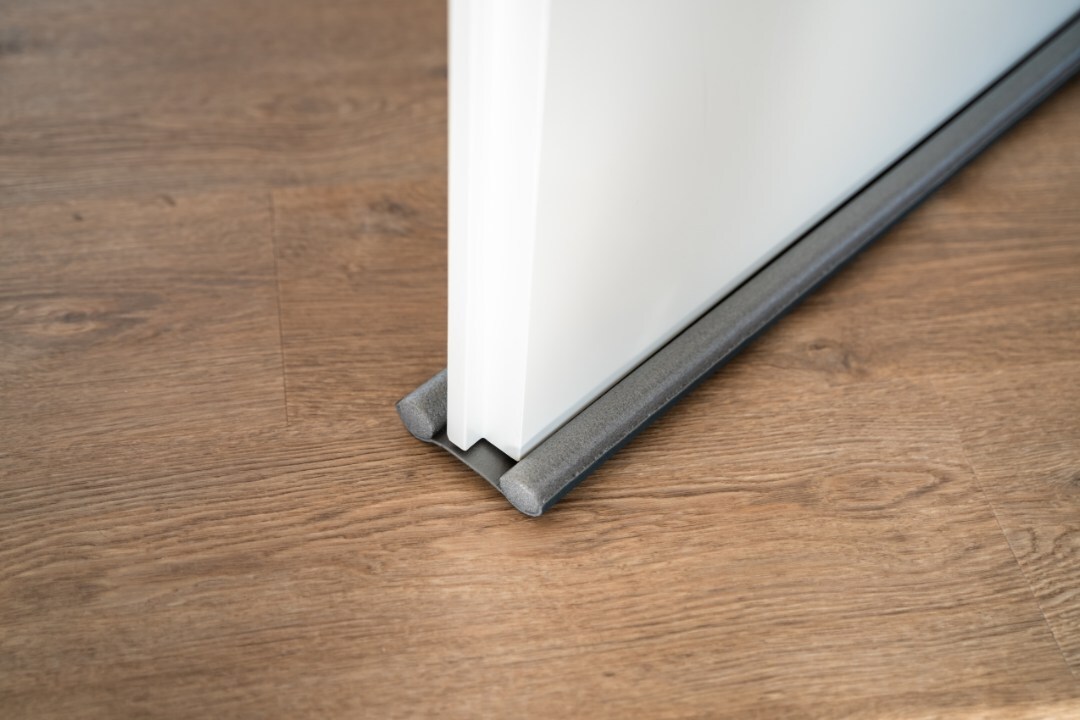
Interesting Fact: 1/8-inch gaps around the front and back doors let in as much air into the home as a small window open halfway. To fix this issue, we recommend attaching door sweeps on exterior doors. It is one of the most affordable ways to weatherize your home, installation only takes a few minutes, and it effectively seals drafts.
How do know you need it? Lay a sheet of paper on the door frame, and close the door on it; if the piece of paper comes out easily without tearing that means you need a door sweep. For added protection, in fact, we recommend you test all sides of your exterior doors and weatherstrip if they fail the test (Read below Door & Window Weatherproofing to learn about weatherstripping).
Door & Window Weatherproofing
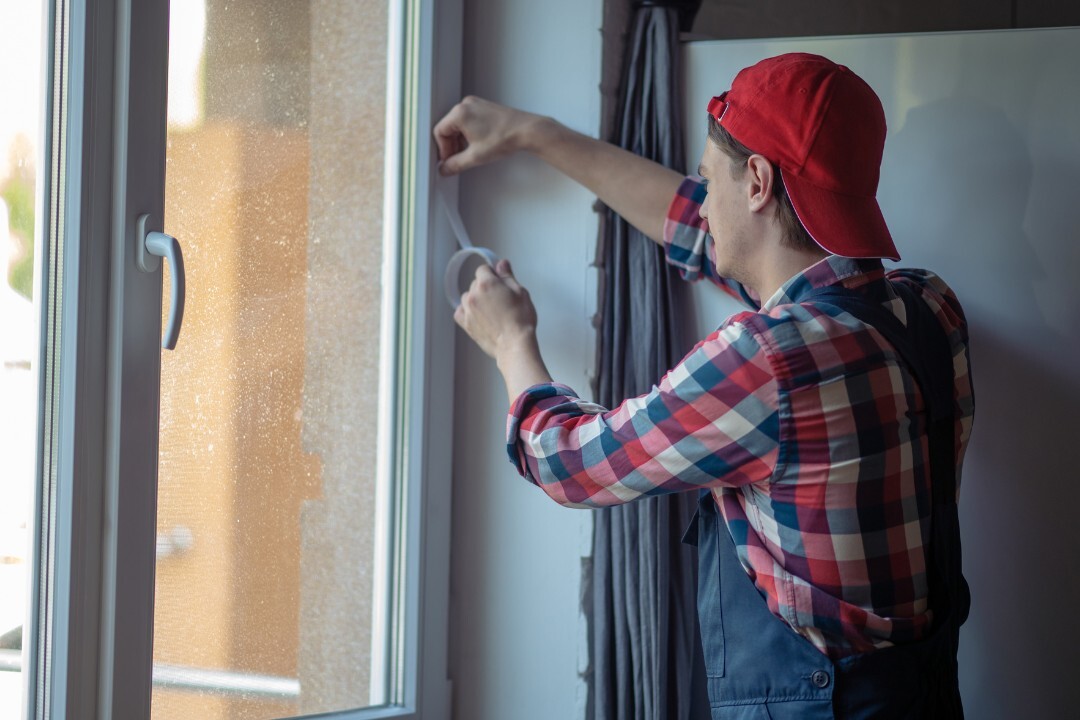
In addition to door sweeps, weatherstripping is another affordable and easy way to weatherize your exterior doors as well as windows. How do you know you need weatherstripping? Just conduct the simple test mentioned in above Doors Sweeps section. Better still, if you can stick your finger nail into a gap between the window and window frame, you need weatherstripping!
Why we recommend it: It seals out unwanted outside drafts, moisture and dust, thus preventing heat loss and mold, while improving air quality and keeping bugs out of your house.
Sealing Gaps & Cracks with Caulk and Foam
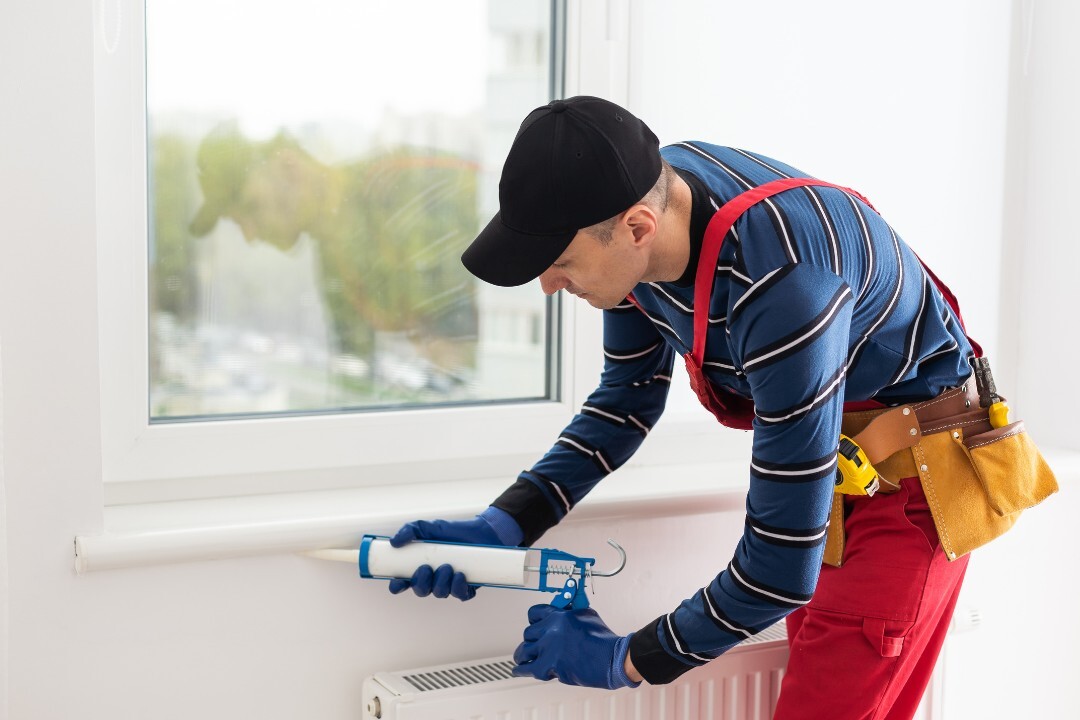
Interesting Fact: 1/16-inch crack around a window is equivalent to a window open 3 inches. To seal gaps and cracks around the non-moving parts of the window, use caulk and/or expanding foam sealants. (Helpful Tip: For moving parts, you need weatherstripping; and for gaps wider than 1/4-inch, an expanding foam sealant.)
Why caulk and foam? Because air sealing will make your home insulation work better. Plus, it's a foundational step in home weatherization.
Plastic on Interior Storm Windows
Energy inefficient windows can cause your home to be cold and money-guzzling. To prevent drafts, we recommend you seal your windows with very inexpensive plastic for windows (also called window insulation kits).
(NOTE: Before you put plastic on your windows, we recommend you weatherstrip your windows).
Why we love plastic window seals? Because the $0.20-square-foot plastic, when properly installed, can save you just as money as a new storm window! So, try this before you spend lots of money. (Helpful Tips: When adhering the plastic to the self-adhesive tape, start in the center of the window frame and move to the corners; and when blow drying the plastic taut, start at the corners and move to the center of the window.)
Use Low Flow Fixtures to Reduce Hot Water Usage
A lot of homeowners focus on heating costs during winter and completely overlook how much energy goes into heating water. Hot showers, laundry, dishwashing, and sink use all put extra demand on your water heater during colder months. Small fixture upgrades can cut that usage down without making your home feel less comfortable.
Low flow shower heads are one of the easiest and most affordable winter upgrades because they reduce the amount of hot water your household uses every day. Modern models still maintain strong water pressure while using far fewer gallons per minute than older fixtures. That means your water heater runs less often, which can help lower both gas and electric bills during winter.
One of the best-known options is the Niagara Conservation Earth Showerhead line, which has built a strong reputation for balancing water savings with surprisingly solid pressure. Swapping out an old shower head usually takes just a few minutes and can immediately reduce hot water usage across the home.
Faucet aerators are another inexpensive upgrade that often gets overlooked. These small attachments mix air into the water stream, helping sinks use less hot water without making water flow feel weak. They are especially useful in kitchens and bathroom sinks that get used constantly throughout the day.
The savings may seem small at first, but hot water usage adds up quickly during winter. Lowering the amount of heated water your home uses can reduce strain on your water heater while helping trim monthly utility costs at the same time.
Water Heater Blankets
Have you ever noticed how cold the garage or unfinished basement is in the winter? If your water heater tank is in the typical not well insulated garage, think of how much heat it is losing. Additionally, think of the added expenses of reheating cooled water.
Solution: Cover your tank with a water heater blanket and reduce heat loss by 25%+.
Benefits: Affordable water heater blankets can reduce water heating costs by 4% or more. If you have a tankless water heater, check out inexpensive pipe insulation foam which also provides additional savings.
Attic Door Insulation
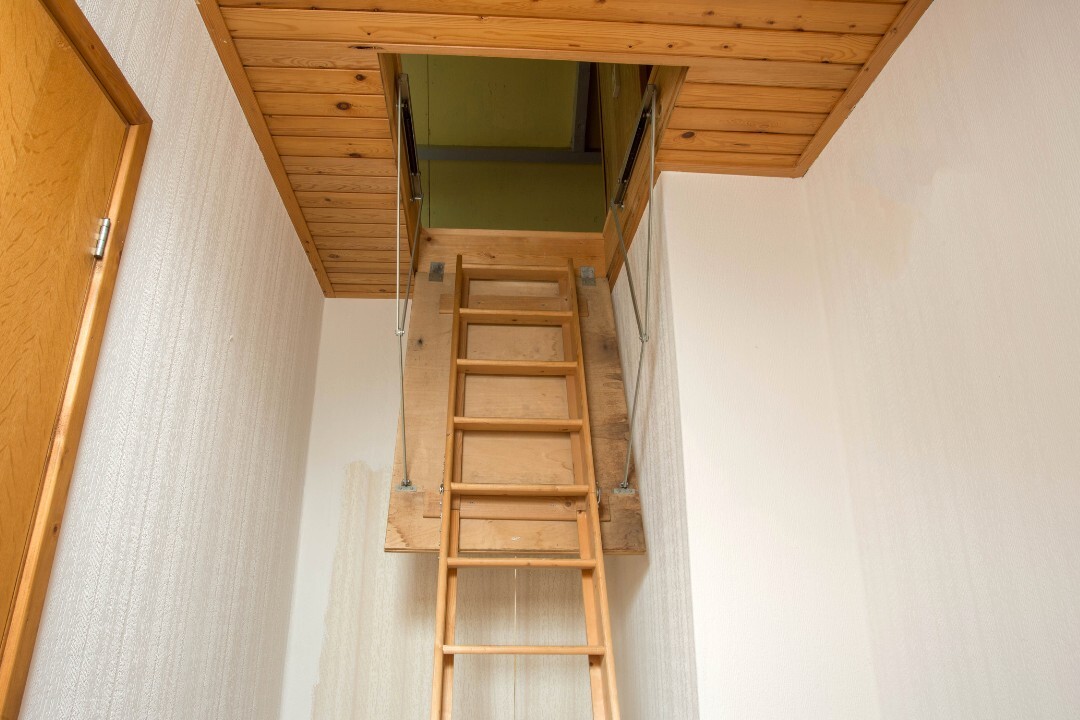
Most attic doors are poorly designed and cause tremendous energy loss throughout the year. Still, most homeowners don’t think about insulating this area.
Consider this: even the tiniest gap around the attic door perimeter (as small as 1/32-inch) is like leaving a 5-square-inch opening all year! To insulate the attic from the rest of he house, we recommend the Attic Tent, which is easy to install, versatile (can be used in many different types of attic doors), durable, affordable, and eligible for tax credit!
Interesting Fact: Up to 40% of savings comes from insulating the attic! So, don’t forget to seal and insulate your attic too!
Sealing Switches & Outlets
Interesting Fact: Almost 2% to 5% air infiltration comes from outlets on outside walls! Surprisingly, sealing switches and outlets isn’t something most homeowners typically think about at least not in the context outside of baby-proofing.
But sealing switches and outlets located on exterior walls prevent unwanted drafts and heat loss very well. After all, if we seal and insulate doors, windows, and attics, it only makes sense to insulate switches and outlets on wall too – especially, since you can insulate the entire house for less than a couple of dollars and prevent up to 5% of air infiltration in your home. You can’t beat that!
Reverse Ceiling Fans to Push Warm Air Down
A lot of warm air in your home ends up trapped near the ceiling during winter, especially in rooms with high ceilings or open layouts. That leaves your heating system working harder while the living space below still feels chilly. Reversing your ceiling fans is one of the cheapest winter comfort upgrades you can make, and most homeowners can do it in a few seconds.
During winter, ceiling fans should rotate clockwise at a low speed. This creates a gentle updraft that pushes warm air collected near the ceiling back down into the room without creating a noticeable breeze. The result is more even temperatures throughout the space and less strain on your furnace.
Living rooms, stairwells, vaulted ceilings, and large open-concept areas usually benefit the most from this adjustment because warm air naturally rises and collects overhead. Even smaller rooms can feel more comfortable once heat is redistributed more evenly.
Most ceiling fans have a small direction switch located on the motor housing. Flip the switch, run the fan on its lowest setting, and you should start noticing more balanced room temperatures fairly quickly.
This is one of those winter energy-saving tips that costs nothing to try but can make a noticeable difference in how warm your home feels during colder months.
Bonus Tips: Smart Thermostat Settings and Energy Audits
A few smart habits can stretch your energy savings even further. If you have a programmable or smart thermostat, set it to lower the temperature while you’re asleep or away from home, then warm things back up before you return. Small adjustments like that can shave a noticeable amount off your heating bill. You can also schedule a home energy audit or do a quick DIY check to spot areas where heat might be escaping. Finding and fixing those weak spots will make your weatherization efforts go even further.
FAQs about Weatherizing Your Home
Can weatherizing a home really lower heating bills?
Yes. Small weatherization upgrades like sealing drafts, adding insulation, and covering air leaks can noticeably reduce heating costs during the winter. Even inexpensive fixes can stop warm air from escaping and help your heating system run more efficiently.
What is the cheapest way to stop cold drafts around doors?
Door sweeps and draft stoppers are some of the lowest-cost solutions for drafty exterior doors. They install quickly and help block cold air from entering through gaps at the bottom of the door.
Should I use caulk or weatherstripping around windows?
It depends on the area you are sealing. Caulk works best for non-moving gaps and cracks around window frames, while weatherstripping is designed for moving parts like window sashes and doors that open and close regularly.
Do plastic window insulation kits actually work?
Yes. Interior plastic window kits can help reduce drafts and improve window insulation during winter. When installed correctly, they create an additional barrier that helps keep warm air inside your home.
Is attic insulation really that important for energy savings?
Yes. Heat naturally rises, so poorly insulated attic access points can lead to major energy loss. Sealing and insulating attic doors can make a noticeable difference in overall home efficiency during colder months.
Why should I seal electrical outlets and switches on exterior walls?
Outlets and switches on exterior walls can allow cold air to leak into the home. Foam outlet gaskets are an inexpensive way to reduce drafts and improve insulation around those openings.