


-

First Alert BRK Smoke Alarm Hardwired 120V with 10 Year Sealed Lithium Battery Backup 9120LBL
BRK Electronics
Our Item #: 18585
- MFG #:
$19.99 -

First Alert BRK PR710B Photoelectric Smoke Alarm with Tamperproof 10 Year Sealed Lithium Battery
BRK Electronics
Our Item #: 18705s
- MFG #:
$21.95 -

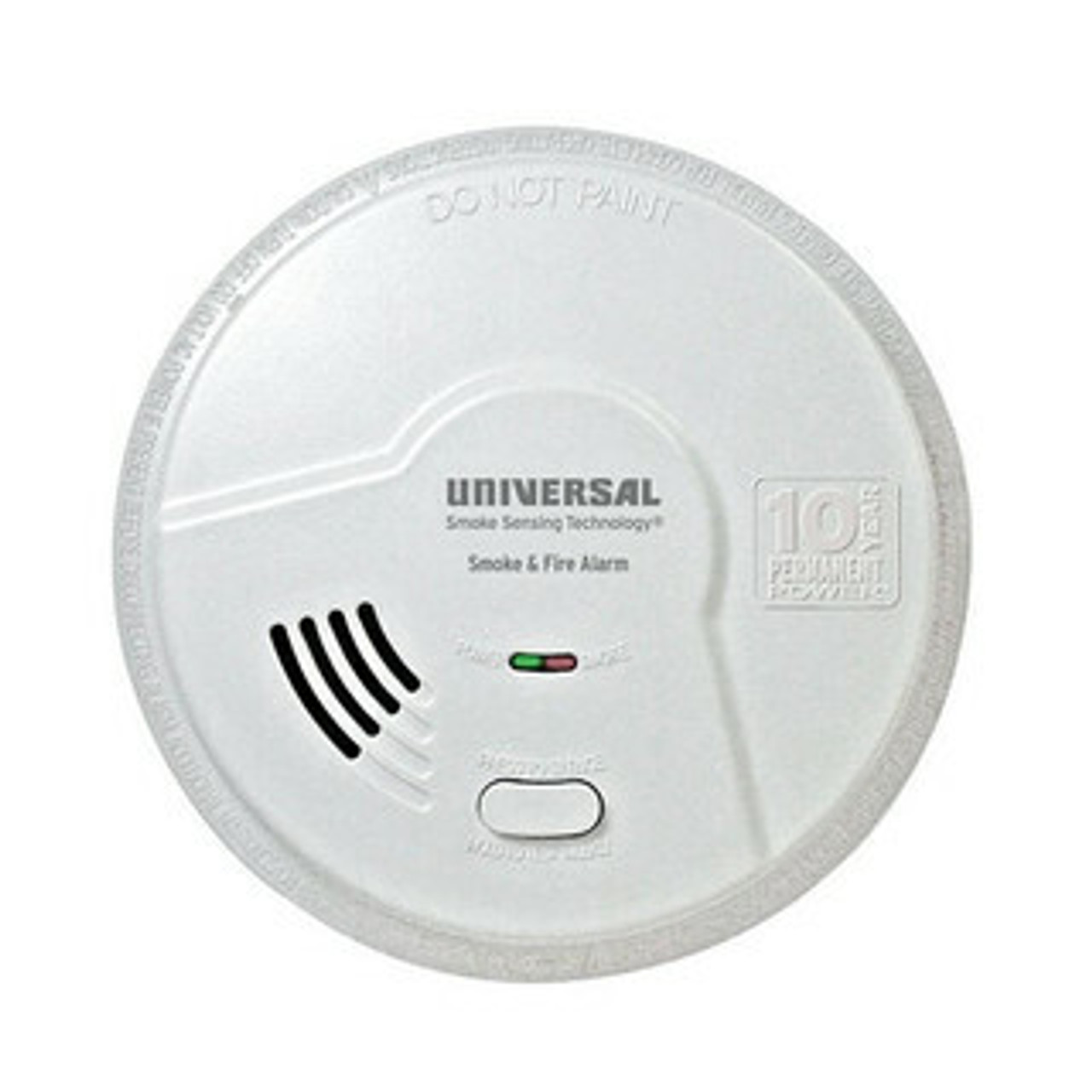
USI Multi Function 10 Year Tamper Proof Battery Smoke / Fire Alarm with Sensing Plus AMIK3051SB-4P
USI
Our Item #: 19398.3
- MFG #:
$22.98 -

BRK First Alert 10-Year Lithium Battery Smoke Alarm SMI110 - Case of 12 Minimum
BRK Electronics
Our Item #: 20304
- MFG #:
$23.34 -

USI Electric Relay Module for Smoke and Fire Alarms USI-960 - Case of 3 Minimum
USI
Our Item #: 19710
- MFG #:
$23.48 -

Kidde FireX Smoke Alarm Hardwired + AA Battery SMACFEX - Case of 6 Minimum
Kidde
Our Item #: 20644
- MFG #:
$24.17 -

BRK First Alert Interconnect Hardwire Smoke Alarm With 10-Year Battery Backup SMI105-AC - Case of 12 Minimum
BRK Electronics
Our Item #: 20303
- MFG #:
$24.88 -

BRK First Alert Battery-Operated Smoke Alarm With Slim Profile Design SM200 - Case of 12 Minimum
BRK Electronics
Our Item #: 20306
- MFG #:
$26.08 -

Kidde Detect 10-Year AA Battery Powered Smoke Alarm 20SDR - Case of 6 Minimum
Kidde
Our Item #: 20598
- MFG #:
$26.84 -
USI Sensing Plus Tamper Proof Bedroom Smoke & Fire Alarm AMIB3051SC - Case of 6 Minimum
USI
Our Item #: 19703
- MFG #:
$27.16 -
USI Sensing Plus Tamper Proof Sealed Smoke & Fire Alarm AMI3051SB - Case of 6 Minimum
USI
Our Item #: 19702
- MFG #:
$27.16 -

BRK First Alert Heat Alarm Hardwired with Battery Backup HD6135FB- Case of 12 Minimum
BRK Electronics
Our Item #: 20622
- MFG #:
$27.36
Choosing the Right Smoke Detector Type for Your Facility
The best commercial smoke detectors are the ones that match what actually happens in your building day to day. Sensor technology matters, but so does the environment around the device. Steam, aerosol sprays, and cooking particulate can trigger nuisance alarms in the wrong spot, while certain areas call for faster response to different fire behaviors. If you are comparing a photoelectric vs ionization smoke detector, start by mapping your spaces by use and air conditions. Corridors and offices usually behave very differently than break rooms and mechanical rooms, and those differences should drive the best sensor choice.
Photoelectric Smoke Detectors
A photoelectric smoke alarm commercial option is typically a strong pick for spaces where you want dependable detection with fewer interruptions. Photoelectric sensors are often preferred as a smoke detector for smoldering fire conditions, which can be a concern in offices, corridors, retail areas, and guest spaces where upholstery, paper goods, and general contents are common. They also tend to be a low nuisance smoke detector choice in locations that see occasional steam or light aerosols, like near restrooms or adjacent to break rooms, as long as the detector is not placed right in the path of drifting steam.
Photoelectric detectors typically perform well in corridors and offices because air movement is more predictable and nuisance sources are easier to control. If your building has strong HVAC flow, pay attention to placement near supply and return air. The goal is to avoid locations where airflow can dilute smoke before it reaches the sensing area, or where turbulence can push nuisance sources into the smoke chamber.
Ionization Smoke Detectors
Ionization detectors can make sense in specific commercial scenarios, especially when you are concerned about fast developing flames. An ionization smoke detector for fast flaming fires often responds quicker to smaller combustion particles that show up early in those events. Mechanical rooms and certain utility areas are common examples where buyers consider ionization, assuming the space does not have frequent nuisance sources like aerosols or fine dust.
The tradeoff is that ionization sensors can be more sensitive to airborne conditions that are not fire related. To cut down on false alarms, focus on placement and what is happening in the room. Keep units away from areas where aerosol sprays are used, avoid installing too close to doors that open into steamy spaces, and be cautious in locations where cooking particulate or dusty maintenance work is common. If nuisance alarms have been a recurring issue in your building, it is worth taking a hard look at whether the area is better served by photoelectric or by relocating the detector within the same room to a less problematic spot.
Dual-Sensor and Multi-Criteria Options
Dual-sensor detectors combine photoelectric and ionization in one unit to cover a wider range of smoke characteristics with fewer compromises. They are often a practical choice when a single area has mixed risks, or when you are trying to standardize devices across multiple spaces without micromanaging sensor types for every room. In buildings where corridors, offices, and break rooms sit close together, dual-sensor can reduce the guesswork while still helping control nuisance alarms when installed thoughtfully.
Multi-criteria options take the idea further by using multiple inputs to improve decision making before going into alarm. These can be useful in environments with higher nuisance potential, like areas exposed to intermittent aerosols, variable humidity, or changing airflows. The right fit still depends on environment conditions, but when you need broader coverage and fewer callbacks, dual-sensor and multi-criteria models can be a solid way to balance responsiveness and reliability.
System Compatibility and Wiring in Commercial Settings
Before choosing a commercial smoke detector, it is critical to understand how it connects to your existing fire alarm system. Commercial buildings typically use system smoke detectors that report back to a fire alarm control panel rather than stand alone alarms. These devices communicate over an initiating device circuit or a signaling line circuit, and compatibility with the panel determines how the detector powers up, signals an alarm, and reports trouble conditions.
Many buyers are replacing devices in an existing system, not building from scratch. In those cases, matching the detector type to the panel and circuit design helps avoid unnecessary rewiring and inspection delays. A hardwired smoke detector with battery backup is common in commercial applications, but the wiring method and supervision requirements vary depending on panel design and local code enforcement. Confirming system type early reduces install friction and cuts down on return trips.
Conventional vs Addressable Detectors
Conventional systems group multiple detectors into zones. When one detector activates, the panel identifies the zone but not the exact device. If your building uses a conventional panel, replacement detectors must be listed for use on that specific initiating device circuit and match the electrical characteristics expected by the panel.
Addressable systems work differently. Each detector has a unique address, allowing the panel to pinpoint the exact device that initiated the alarm. Addressable detectors must be compatible with the panel manufacturer and device family. Mixing brands or models that are not listed together can lead to communication faults or failed inspections, so checking the panel make and model before ordering is essential.
2-Wire vs 4-Wire Detectors
Wiring configuration also plays a role in detector selection. A 2-wire smoke detector receives power and sends alarm signals over the same pair of wires. These are commonly used in conventional systems and can simplify installation when replacing like for like devices.
A 4-wire smoke detector uses separate wiring for power and for alarm signaling. These detectors typically require a dedicated power source and additional components for proper supervision. While 4-wire models offer flexibility in some designs, they also require more planning to ensure the system meets monitoring and code requirements.
Relay and Auxiliary Outputs for Building Controls
Some commercial smoke detectors include relay contacts or support add on relay modules. A smoke detector with relay output can interact with other building systems, such as releasing magnetic door holds, shutting down air handlers, or triggering other control actions through the fire alarm system. These features are common in larger facilities and more complex occupancies.
When selecting detectors with relay capability, confirm how the output will be used and how it ties into the overall system design. Panel compatibility, power requirements, and local AHJ expectations all come into play. Choosing the right configuration up front helps ensure smooth installation and reliable performance when the system is needed most.
Placement Planning for Businesses
Good smoke detector placement in a commercial building is not just about checking a box for code. Placement impacts response time, nuisance alarms, and how smoothly your inspections go. NFPA 72 provides general guidance, but your AHJ has the final say on what is acceptable for your occupancy type and layout. The most practical approach is to think through how smoke would actually move in each area of your facility, then choose locations that support reliable detection without putting devices directly in the path of common nuisance sources.
Air movement is one of the biggest variables. Detector placement near HVAC supply air or return air can change how smoke travels to the sensing chamber, and it can also pull in dust, aerosols, or humidity that increases false alarms. Ceiling height matters too. High ceilings and beam pockets can affect smoke layering, spacing, and where detectors should be mounted. If you are planning for smoke detector spacing or addressing a smoke detector for high ceilings, it is smart to review ceiling conditions and airflow patterns before devices go on the ceiling grid.
Offices and Retail Floors
For offices and retail sales areas, focus on consistent coverage across open spaces and common paths of travel. Corridors and interior hallways are often a key part of smoke detector placement in commercial building layouts because they connect occupied areas and are closely watched during inspections. Avoid placing devices right outside restroom doors or too close to copy rooms or small kitchenettes if steam or aerosols drift into the corridor. If nuisance alarms have been an issue, stepping back a few feet from the source or choosing a low nuisance smoke detector strategy can make a noticeable difference.
Warehouses and High-Bay Spaces
A smoke detector for warehouse environments needs a plan that accounts for ceiling height, racking, and air movement from fans or loading doors. High-bay spaces can require different spacing assumptions than standard office ceilings, and smoke travel can be affected by stratification. Dust is also a real factor. Warehouses that handle cardboard, pallets, powders, or frequent forklift traffic often need more frequent maintenance and cleaning to keep detectors operating correctly.
Restaurants, Break Rooms, and Areas With Steam or Aerosols
Break rooms and restaurant environments are high risk for nuisance alarms because steam, cooking particulate, and cleaning aerosols can mimic smoke conditions. These areas are where placement discipline matters most. Avoid mounting detectors directly outside kitchen doors or over spaces where steam routinely rises. If the space must be protected by smoke detection, the best results usually come from choosing the right sensor type for the environment and placing devices where they are less exposed to everyday steam and cooking particulate.
Mechanical Rooms and Near HVAC Airflow
Mechanical rooms and areas near HVAC equipment can be tricky because airflow patterns are strong and conditions can change with seasons or operating schedules. Detector placement near HVAC should avoid direct supply air blasts that can push smoke away from the detector or carry dust into the sensing chamber. Return air areas also require care because they can draw in contaminants and create nuisance alarms if the space sees occasional aerosols or maintenance dust. For these rooms, it often helps to coordinate placement with the contractor or service team that understands how the air handling system actually runs in your building.
Compliance, Inspections, and Documentation
For most businesses, smoke detection is not only a safety decision. It is also an inspection and liability decision. Your AHJ and fire marshal are the final authority on acceptance, and insurance carriers often expect proof that your commercial fire alarm compliance program is active and documented. The easiest way to avoid last minute surprises is to treat compliance as a routine process: install devices that are appropriate for the system, test on a consistent schedule, and keep records that are easy to produce on request.
NFPA 72 includes inspection, testing, and maintenance guidance for fire detection devices, and many jurisdictions reference it directly when evaluating smoke alarm compliance. Your requirements can also change based on occupancy, renovations, or a change in how a space is used. If you manage multiple properties, standardizing your fire alarm testing schedule and documentation format across sites can make audits and renewals a lot less painful.
What Inspectors Commonly Look For
Inspections usually focus on three things: correct device type for the system, correct placement for the environment, and proof that the system is being maintained. Inspectors commonly look for detectors that are installed correctly, powered and supervised properly, and free from obvious issues like missing heads, damaged bases, or signs of contamination. They also pay attention to areas that tend to generate nuisance alarms, because repeated false alarms can lead to operational problems and create extra scrutiny during follow up visits.
If your devices are listed for use in a commercial system, you may see references like UL Listed on product documentation, and standards such as UL 268 or UL 217 can come up depending on the device type and application. In practice, the key is to use products that are listed for the intended use and accepted by the panel and local authority, then keep the installation consistent with what was approved.
Recordkeeping That Makes Audits Easier
Good recordkeeping saves time during inspections and helps when insurance asks for verification. A maintenance log for fire alarm activity should capture basic information like service dates, testing results, device locations, and any corrective actions taken. Keep inspection tags, service records, and any commissioning notes together, and make sure the documentation clearly ties to the building address and system configuration. If you operate multiple locations, use the same format everywhere so your teams are not reinventing the wheel each time an auditor shows up.
When Replacement Is Smarter Than Another Service Call
There is a point where repeated cleaning and troubleshooting costs more than replacing devices. If you are seeing chronic nuisance alarms tied to a specific area, recurring trouble conditions, or devices that fail sensitivity checks, replacement may be the most cost effective move. Older detectors can also become harder to match to existing systems, which creates delays when something finally fails. Planning replacements proactively reduces downtime and helps keep your compliance status clean, especially in sites with frequent inspections or higher liability exposure.
Maintenance and Lifecycle for Commercial Detectors
Commercial smoke detectors are not install and forget devices. Over time, dust, grease, and general airborne debris can contaminate the sensing chamber and change how the detector responds. That contamination is one of the biggest drivers of nuisance alarm troubleshooting in businesses, and it can also reduce sensitivity in ways that are harder to notice until a test or inspection flags it. A practical maintenance plan protects uptime, keeps staff from dealing with repeated evacuations, and supports consistent smoke alarm compliance.
Your smoke detector lifespan and replacement schedule will depend on the environment and the device model, but most facilities benefit from treating detectors as a lifecycle item that needs planned service and eventual swap outs. Areas with construction activity, warehouse dust, or kitchen grease usually need more attention than standard office corridors. If you operate multiple sites, building a repeatable process for detector cleaning, testing, and replacement helps prevent uneven performance across locations.
Common Causes of False Alarms in Businesses
False alarms often come down to nuisance sources that mimic smoke conditions. Steam from dishwashers or kettles, aerosols from cleaning products, and cooking particulate in break rooms or restaurant areas are frequent culprits. Dust from renovations, drywall sanding, or warehouse operations can also trigger alarms or create trouble conditions as it builds up inside the detector. In many cases, the fastest fix is not replacing the unit. It is correcting placement or choosing a sensor type that is a better fit for that specific environment.
Cleaning, Testing, and Sensitivity Considerations
Detector cleaning in commercial settings is mainly about keeping the sensing chamber clear and making sure airflow into the unit is not restricted. The exact method depends on the manufacturer and the site conditions, so it is best handled by a qualified service provider or your alarm contractor. Regular testing should be scheduled and documented, and any device that repeatedly fails, drifts out of spec, or shows end of life indicators should be flagged for replacement. Staying ahead of these issues reduces last minute service calls right before an inspection.
Planning Replacements Across a Portfolio of Locations
If you manage several buildings, replacement planning is where you can save real time and money. Standardize device families where possible, keep a small set of approved replacement models, and maintain a simple list of what is installed at each site. That makes it easier to source compatible units quickly and reduces mix and match problems that slow down installs. A proactive smoke detector replacement schedule also helps you avoid emergency work orders and keeps your facilities inspection ready year round.
See Also: Smoke/CO Detector Combo
Frequently Asked Questions About Smoke and Fire Detectors
There is not a single universal number. The count is based on your occupancy type, ceiling height, layout, and the detector spacing rules used under NFPA 72 plus any local amendments your AHJ enforces. In most commercial systems, you plan coverage by area and spacing, then adjust for conditions like high airflow, beams, open ceilings, and rooms with higher nuisance alarm risk. Your fire alarm contractor or engineer typically finalizes the layout, and the AHJ signs off during plan review or inspection.
Placement is driven by code guidance, manufacturer installation instructions, and your AHJ. Common commercial locations include corridors, common areas, office spaces, and other required protected areas, with spacing based on ceiling conditions. You also want to avoid trouble spots like direct supply air, return air, and areas where steam, aerosols, or cooking particulate routinely drift, since those conditions can increase nuisance alarms. For restaurants, break rooms, mechanical rooms, and high bay spaces, placement and detector type selection usually need extra attention.
The “0.7 rule” is a common design shortcut people use to tighten spacing when ceiling conditions can slow smoke travel or create dead air pockets. In simple terms, you start with the standard spacing and apply a 0.7 factor to reduce the allowable distance between detectors. This comes up around conditions like beams, pockets, or other ceiling features, but the exact application depends on the standard you are following and the detector listing. Treat it as a rule of thumb only, and confirm the final approach with NFPA 72 guidance, the manufacturer documentation, and your AHJ.
OSHA generally focuses on workplace fire protection and safe egress, and it often relies on adopted building and fire codes for the specifics of detection and alarm design. Many workplaces end up needing smoke detection because the local code, the AHJ, the building’s use, or the fire alarm system requirements call for it. If you are trying to verify a requirement for a specific site, the most reliable path is to check what your AHJ and local fire code require, then align your system with NFPA 72 inspection, testing, and maintenance expectations.
The NEC is mainly about safe electrical installation, not detector spacing or how many devices you need. In commercial fire alarm work, the NEC requirements typically show up in how circuits are installed, powered, protected, and supervised, including fire alarm wiring methods and separation from other wiring. Your detector requirements for placement and coverage usually come from NFPA 72, your building and fire code, the manufacturer’s listing, and your AHJ. If you are replacing devices, the practical NEC related check is that the wiring method and power arrangement match what the system was designed for and what the panel documentation allows.