


-
 $0.21
$0.21 -
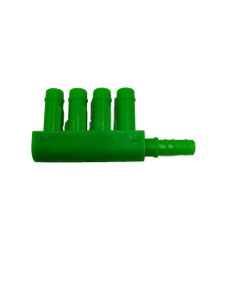
Conserve Smart Toilet Fill Cycle Diverter CM100TFCD - Case of 100 Minimum
Conserve Smart
Our Item #: 18994s
- MFG #:
$0.87 -

Niagara Toilet Fill Cycle Diverter N3164-I - Case of 100 Minimum
Niagara Conservation
Our Item #: 10359s
- MFG #:
$1.25 -
 $1.33
$1.33 -
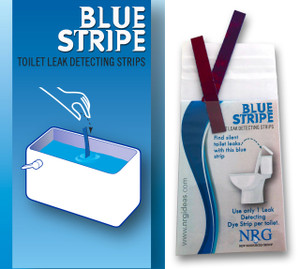
Custom Card Single Blue Stripe Silent Toilet Leak detecting Strip pack Tracing Dye
NRG
Our Item #: 20096s
- MFG #:
$1.45 -

Conserve Smart Toilet Tank Bank CM050TTB - Case of 100 Minimum
Conserve Smart
Our Item #: 18993s
- MFG #:
$1.65 -

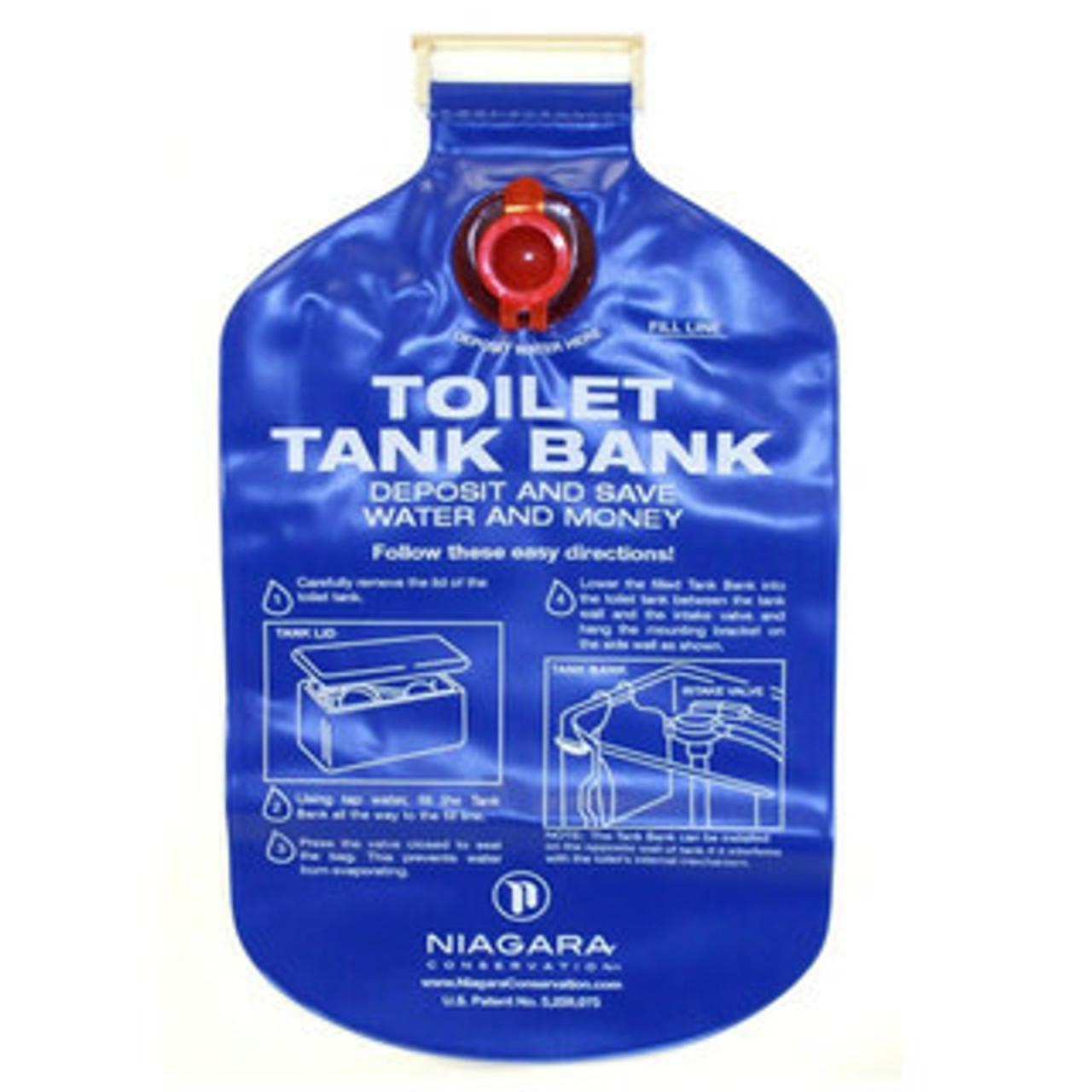
Niagara Toilet Tank Bank N3137/ Toilet Tummy - Case of 20 Minimum
Niagara Conservation
Our Item #: 10358s
- MFG #:
$1.95 -

Conserve Smart Adjustable Water Savings Toilet Flapper CM020TF - Case of 24 Minimum
Conserve Smart
Our Item #: 18992s
- MFG #:
$2.95 -
 $2.95
$2.95 -
 $3.90
$3.90 -

Niagara Conservation Adjustable Toilet Flapper N3145- Case of 24 Minimum
AM Conservation
Our Item #: 15073s
- MFG #:
$4.50 -
 $107.20
What Are Toilet Water Savers?
Toilet water savers are simple retrofit devices that cut the amount of water used each time you flush. They sit inside the tank or adjust the flush mechanism so you use only the water you actually need, helping reduce water waste in homes, multifamily buildings, schools, and commercial restrooms.
These products are designed to work with existing toilets, so you can improve efficiency without replacing the fixture. When combined with other water conservation upgrades, they support lower utility costs, help meet local conservation goals, and make it easier to keep bathrooms operating responsibly.
Common types of toilet water savers include:
- Dual flush conversion kits that add a reduced flush option for liquid waste while keeping a full flush for solids.
- Toilet tank banks and displacement bags that take up space in the tank so it refills with less water each time.
- Fill cycle diverters that redirect excess refill water back into the tank instead of sending it down the bowl.
- Low flow retrofit parts that adjust flow rates to align more closely with WaterSense style performance levels.
Types of Toilet Water Saving Devices
Toilet water savers come in a few main styles, so you can match the device to your plumbing setup and water savings goals. Some focus on cutting the volume in the tank, while others fine tune how the toilet refills and flushes.
Dual Flush Conversion Kits
Dual flush conversion kits upgrade a standard toilet so it uses a reduced flush for liquids and a full flush for solids. This simple change lowers average gallons per flush without replacing the entire fixture.
- Ideal for older gravity fed toilets that still have good bowl performance.
- Typical water use around 0.8 gallons for light flushes and 1.6 gallons for full flushes.
- Good fit for homes, offices, and multifamily buildings looking for quick savings.
Toilet Tank Banks and Displacement Bags
Tank banks and displacement bags sit inside the tank to take up space so it refills with less water after each flush. They are one of the easiest retrofit options for cutting tank volume.
- Often made from durable plastic or polyethylene that resists wear and mineral buildup.
- Simple to install by hanging or placing inside the tank away from moving parts.
- Helps reduce gallons per flush without changing the flush valve or handle.
Fill Cycle Diverters
Fill cycle diverters adjust how refill water flows between the tank and the bowl. Instead of sending extra water down the bowl, they redirect more of it back into the tank to avoid waste.
- Clips into the existing fill valve in most standard two piece toilets.
- Short install time with minimal tools required.
- Pairs well with other water saving upgrades for added impact.
Low Flow Toilet Retrofits
Low flow retrofit parts tune older toilets so they perform closer to modern high efficiency and WaterSense style fixtures. These upgrades focus on controlled flow rates and clean bowl clearance.
- Targets typical performance levels around 1.28 gallons per flush instead of higher legacy volumes.
- Can include replacement flush valves, flappers, and handles designed for reduced flow.
- Helps facilities move toward efficiency standards without full toilet replacement.
Frequently Asked Questions About Toilet Water Savers
Most toilet water savers fit standard gravity fed toilets. Devices like tank banks, fill cycle diverters, and many dual flush kits work with a wide range of setups as long as the internal parts are in good shape.
Many homes and facilities see savings of hundreds of gallons per month. Cutting tank volume and improving refill control lowers gallons per flush, which adds up quickly in high use bathrooms.
Quality retrofit devices are designed to maintain bowl clearance and refill balance. As long as the toilet is already functioning properly, performance typically stays the same after install.
Most options drop into the tank or clip onto existing parts with no tools. Dual flush kits may require a few more steps, but they still fall under basic DIY installs for most users.
Some utilities offer rebates for efficiency upgrades like low flow retrofits and dual flush conversions. Local programs vary, so it helps to check with your water provider.
Match the device to your toilet style and current tank parts. Gravity fed toilets accept the widest range of retrofits. If your tank has worn hardware, replacing those parts first helps everything work smoothly.