


-
 $4.00
$4.00 -
Niagara Liberty 1.28 GPF 12" Rough-In Round Bowl Toilet Right/Left Hand Tank Combo
Niagara Conservation
Our Item #: 19634
- MFG #:
$155.00FREE SHIPPING ON MULTIPLE QUANTITY ORDERS!! Hit the Volume Quote Request button below or call us for details. -

Niagara Liberty 1.28 GPF 12" Rough-In Elongated Toilet Bowl Right/Left Hand Tank Combo
Niagara Conservation
Our Item #: 19635
- MFG #:
$168.05FREE SHIPPING ON MULTIPLE QUANTITY ORDERS!! Hit the Volume Quote Request button below or call us for details. -

Niagara Liberty 1.28 gpf 12" Rough-In Elongated Bowl ADA Height Toilet Right/Left Hand Tank
Niagara Conservation
Our Item #: 19636
- MFG #:
$192.90FREE SHIPPING ON MULTIPLE QUANTITY ORDERS!! Hit the Volume Quote Request button below or call us for details. -

Niagara N2235R 1.28 GPF EcoLogic Tank + Round Toilet Bowl
Niagara Conservation
Our Item #: 15104
- MFG #:
$221.54FREE SHIPPING ON MULTIPLE QUANTITY ORDERS!! Hit the Volume Quote Request button below or call us for details. -

Niagara N2235E 1.28 GPF EcoLogic Sentinel Elongated Toilet Bowl + Tank
Niagara Conservation
Our Item #: 15103
- MFG #:
$234.13FREE SHIPPING ON MULTIPLE QUANTITY ORDERS!! Hit the Volume Quote Request button below or call us for details. -
Niagara Single Flush 12 in 0.8 GPF Original Stealth Round Toilet Bowl+Tank N771614T
Niagara Conservation
Our Item #: 15694
- MFG #:
$256.24 -

Niagara N771714E-DF Original Stealth Dual Flush Elongated Toilet Bowl + Tank
Niagara Conservation
Our Item #: 15098
- MFG #:
$266.18FREE SHIPPING ON MULTIPLE QUANTITY ORDERS!! Hit the Volume Quote Request button below or call us for details. -

Niagara Single Flush 0.8 GPF Stealth Elongated Toilet Bowl+Tank N771714T
Niagara Conservation
Our Item #: 15087
- MFG #:
$266.18FREE SHIPPING ON MULTIPLE QUANTITY ORDERS!! Hit the Volume Quote Request button below or call us for details. -

Niagara Nano – 0.5/0.8 GPF Dual Flush Elongated Toilet with Tank N7737EB/N7747T-DF
Niagara Conservation
Our Item #: 17441
- MFG #:
$405.38FREE SHIPPING ON MULTIPLE QUANTITY ORDERS!! Hit the Volume Quote Request button below or call us for details. -
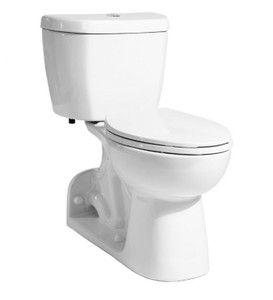
Niagara Rear Outlet 0.95 GPF Single Flush 4” Elongated Toilet with Stealth Technology N7799E
Niagara Conservation
Our Item #: 20177
- MFG #:
$477.13FREE SHIPPING ON MULTIPLE QUANTITY ORDERS!! Hit the Volume Quote Request button below or call us for details.
Why High Efficiency Toilets Matter for Commercial Facilities
Restrooms are one of the biggest water users in a commercial building, and every flush shows up on your water and sewer bill. Upgrading to high efficiency toilets lets you cut that usage across every floor without creating new headaches for your maintenance team.
Older 3.5 gpf or even 1.6 gpf toilets use far more water than current high efficiency models in the 1.28 gpf range or lower. When you multiply that difference across dozens or hundreds of fixtures in offices, schools, hotels, and multifamily properties, the savings add up to real money each year.
High efficiency toilets also help you keep up with plumbing codes, support LEED and other green building goals, and respond to local water conservation requirements. This category is built for facility managers, contractors, and purchasing teams who need proven products that balance performance, comfort, and long term operating cost control.
Shop High Efficiency Toilets by Type
Every facility has different plumbing, traffic patterns, and cleaning routines, so the right high efficiency toilet is not a one size fits all decision. Some restrooms run on flushometer valves with wall hung bowls, while others rely on tank type systems or pressure assisted models that deliver a stronger flush in tough environments.
On this page, you can narrow your options by flush type, gallons per flush, bowl style, and mounting configuration to match your existing carriers and rough ins. Whether you are standardizing 1.28 gpf flushometer toilets in school restrooms, choosing quiet tank type units for hotel guest rooms, or upgrading to ultra high efficiency models in offices, you can compare spec sheets, performance ratings, and compatibility details before you buy.
Flush Volumes, Performance Ratings, and Specs
Not all high efficiency toilets work the same way, and the numbers on the spec sheet actually matter. Flush volume in gallons per flush (gpf) is the big one, with most high efficiency models at 1.28 gpf and ultra high efficiency options dropping to 1.1 gpf or even 0.8 gpf. Lower gpf means more water savings, but you still need a strong, reliable flush in busy restrooms.
That is where performance ratings like MaP scores come in. MaP testing shows how much waste a toilet can clear in one flush, so you can sort out which models are ready for high traffic restrooms, schools, and public facilities. You will also want to check basics like rough in size, bowl height, elongated versus round front, and trapway design so your new fixtures match existing carriers, partitions, and accessibility requirements.
When you review spec sheets on this page, you can line up flush volume, MaP score, and key dimensions side by side. That makes it easier to choose toilets that meet code, keep users comfortable, and stay on top of long term water savings across your building.
Water and Cost Savings with High Efficiency Toilets
High efficiency toilets pull double duty for your facility. They cut water use on every flush and trim your monthly utility bills at the same time. Swapping out older 3.5 gpf or 1.6 gpf models for 1.28 gpf or lower can save thousands of gallons per toilet per year, and that adds up fast in buildings with multiple floors, shared restrooms, and steady traffic throughout the day.
When you run the numbers across an office tower, hotel, school campus, or multifamily property, the savings usually cover the upgrade cost in a relatively short window. After that, it is pure reduction in operating expenses, with less wear on your building’s water and sewer infrastructure. High efficiency toilets can also help you qualify for local utility rebates and support LEED or other green building goals, which makes life easier when you are reporting on ESG metrics or responding to RFPs that call out water conservation.
Codes, Standards, and Certifications to Know
When you are buying toilets for a commercial property, you are not just picking what looks good in a spec sheet. Every fixture has to line up with plumbing codes, accessibility rules, and efficiency standards in your region. High efficiency toilets that carry the EPA WaterSense label meet strict limits on gallons per flush and performance, which often makes them eligible for utility rebates and preferred in public projects.
You will also see references to ASME and CSA standards on spec sheets. These test for things like bowl wash, drain line carry, and durability so you are not guessing how a toilet will behave in a busy restroom. ADA compliant models hit specific height and clearance requirements to keep restrooms accessible and code friendly.
If you are working in states or cities with aggressive water conservation rules, you may need to meet local high efficiency requirements on top of national codes. Look for notes about WaterSense labeling, ADA compliance, and relevant ASME or CSA listings so you can document that your chosen toilets satisfy both performance expectations and regulatory needs.
High Efficiency Toilets for Your Facility Type
Different buildings put very different demands on their restrooms, so it helps to think about where your toilets are actually going. A school or university campus might see heavy traffic between classes, with lines of students using the same stalls in short bursts all day. Hotels and multifamily buildings care more about quiet, comfortable fixtures that feel good in guest rooms and apartments, while still keeping water use under control behind the scenes.
Offices and multi tenant buildings usually look for a standard spec they can roll out across multiple floors and properties, so they do not have to juggle different parts or repair routines.
Municipal buildings and government facilities often need products that meet strict procurement rules, efficiency standards, and accessibility requirements, with clear documentation for every box.
Healthcare and senior living settings bring an extra focus on cleanliness, ease of use, and reliability, since restrooms are part of daily care.
Installation, Retrofit, and Compatibility Guidance
Most commercial projects are not starting with a blank slate, so compatibility matters just as much as flush volume. Before you pick a high efficiency model, you will want to confirm basics like rough in size, carrier type for wall hung bowls, floor flange location, and water supply height. Flushometer systems also need the right water pressure and properly sized supply lines, or you may not get the performance you expect from a lower gpf fixture.
If you are retrofitting older 3.5 gpf or 1.6 gpf toilets, check that the new bowls, tanks, and flush valves line up with existing carriers, partitions, and grab bars. Details like spud size, inlet type, and bowl height can make the difference between a simple swap and a messy, time consuming rework. Coordinating with your plumbing contractor ahead of time lets you plan restroom downtime, stage materials, and avoid surprises once walls are open.
Bulk Purchasing, Quotes, and Support for Commercial Buyers
Outfitting a whole building, campus, or portfolio usually means buying more than a couple of toilets at a time. If you are planning a multi floor retrofit or stocking up for several projects, you can reach out for volume pricing and project based quotes. This lets your team see landed costs up front, factor in freight, and compare options across brands and flush types without guessing.
Many commercial buyers work with purchase orders and tax exempt status, so the process needs to fit existing workflows. You can loop in procurement, facility managers, and contractors, then use spec sheets, cut sheets, and submittal documents to keep everyone on the same page.
If you have questions about lead times, rebate eligibility, or which models line up best with your building’s plumbing, support is available to help you narrow the list. The goal is to make it easy for commercial buyers to choose high efficiency toilets that fit their budget, timeline, and performance expectations, with clear communication from first quote to final delivery.
Plan Your Next High Efficiency Toilet Upgrade
If you are planning a restroom retrofit or outfitting a new building, Conservation Mart can help you choose high efficiency toilets that hit your savings targets and keep maintenance simple.
Our team works with facility managers, contractors, and energy program leaders every day. Get support with product selection, rebate-friendly options, and bulk orders so your project stays on budget and on schedule.
- Recommendations matched to your existing fixtures and flush valves
- Guidance on gallons per flush, ratings, and local code requirements
- Volume pricing for multi restroom and multi site projects
Share a few details about your project and we will help you narrow down the right high efficiency toilets and accessories for your building.
Frequently Asked Questions About High Efficiency Toilets
In most regions, a high efficiency toilet uses 1.28 gallons per flush or less while still meeting performance standards like EPA WaterSense and MaP testing. Many commercial models also meet specific plumbing code and ADA requirements so they can be used in public and multi stall restrooms.
Yes, as long as you choose models with strong MaP scores and match them to the right flush valves and water pressure. Commercial high efficiency toilets are designed for schools, offices, hotels, and public buildings where they see steady use throughout the day.
Replacing older 3.5 gpf or 1.6 gpf toilets with 1.28 gpf or lower models can save thousands of gallons per toilet per year. In buildings with dozens or hundreds of fixtures, that reduction usually translates into noticeable cuts in water and sewer costs over the life of the equipment.
Many utilities and local programs offer rebates for EPA WaterSense labeled high efficiency toilets, especially in commercial projects. These fixtures can also support LEED water efficiency credits and broader ESG or sustainability targets for your property portfolio.