


-
 $17.75
 -
 $20.52
 -
 $40.24
 -
 $84.99
 -

Emporia Vue Gen 2 Whole Home Energy Monitor with 8 sensors 3 Phase EMCT-3P-EXP-8
Emporia
Our Item #: 19440s
- MFG #:
$155.24
What Is an Energy Monitor?
An energy monitor is a device that tracks electricity usage in real time, helping homeowners and business owners see exactly where power is being used throughout a property. Some systems monitor an entire electrical panel, while others plug directly into an outlet to measure the energy consumption of a single appliance or device.
Most modern energy monitors connect to a mobile app or online dashboard, making it easy to check energy usage from anywhere. Many systems can track usage patterns throughout the day, identify spikes in electricity demand, and even detect which appliances are using the most power. This kind of visibility helps uncover hidden energy waste that often goes unnoticed on a monthly utility bill.
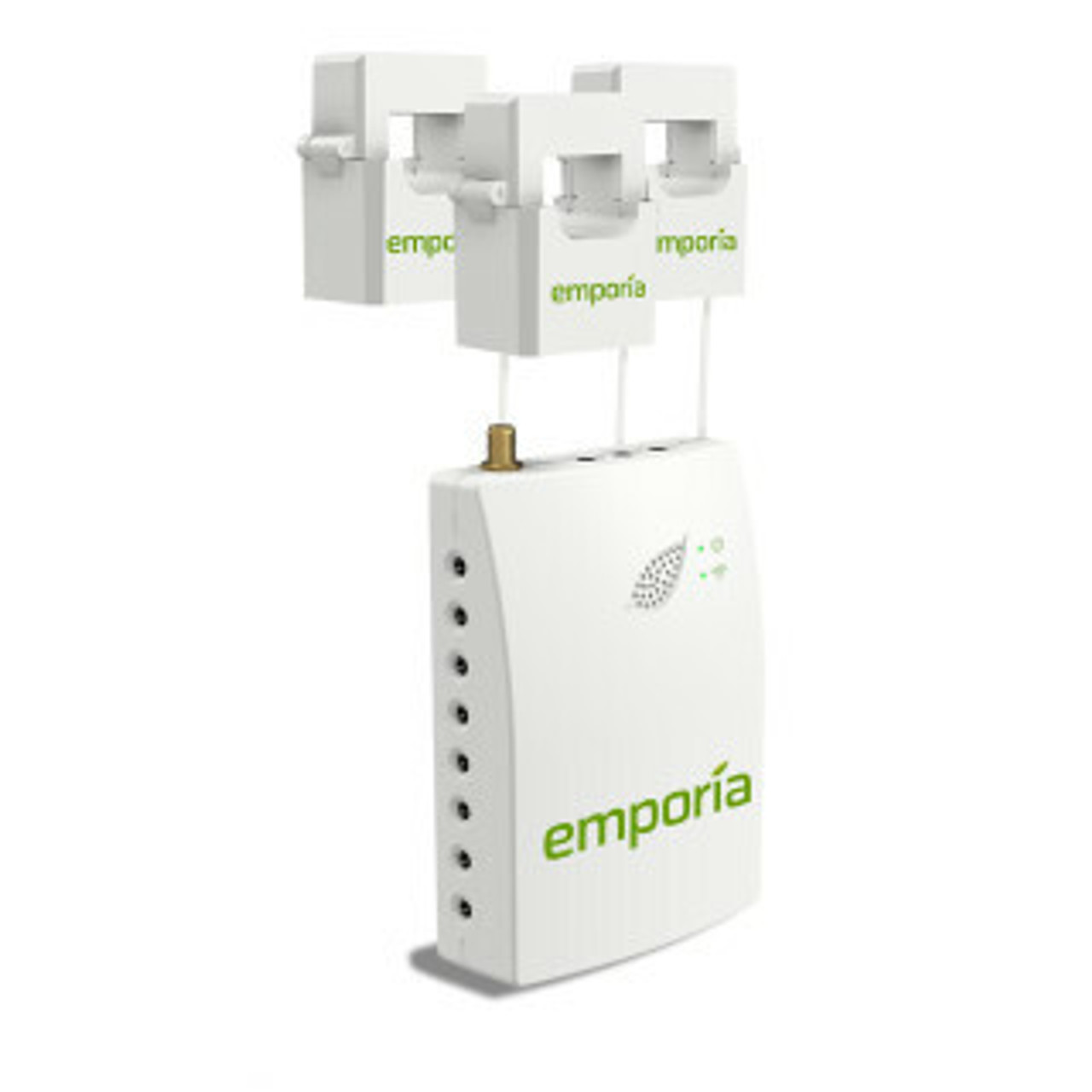
Whole-home energy monitors are commonly installed inside or near an electrical breaker panel using current transformer clamps that measure electrical flow across circuits. Plug-in energy monitors are a simpler option for tracking specific devices like refrigerators, space heaters, office equipment, or entertainment systems.
For homes, energy monitors can help reduce unnecessary electricity usage and improve overall efficiency. For commercial buildings and facilities, they provide valuable data that can help manage overhead costs, monitor operational energy usage, and identify opportunities for long-term savings.
How Energy Monitors Work
Energy monitors measure the flow of electricity moving through your electrical system and turn that data into easy-to-read energy usage reports. Most whole-home systems use sensors called current transformer clamps, often referred to as CT clamps, which attach around the main electrical lines inside your breaker panel to track how much power is being consumed.
Once installed, the monitor continuously collects data about electricity usage throughout the property. That information is typically sent to a mobile app or cloud-based dashboard through a Wi-Fi connection, allowing users to view real-time energy consumption, daily usage trends, and historical energy reports from almost anywhere.
Some advanced smart energy monitors can even recognize the electrical signatures of certain appliances and equipment. Over time, the system learns how devices like HVAC systems, refrigerators, water heaters, or machinery behave and begins separating them into individual usage categories. This makes it easier to identify which appliances are driving up energy costs or creating unnecessary power consumption.
Many energy monitoring systems also include alerts and notifications that warn users about unusual spikes in electricity usage. This can help catch problems early, like an aging appliance running inefficiently, equipment left operating after hours, or a sudden increase in demand that could lead to higher utility bills.
Types of Energy Monitors
Energy monitors come in several different formats depending on how detailed the tracking needs to be and what type of property they’re being used in. Some systems are designed to monitor an entire building’s electrical usage, while others focus on individual appliances or specific circuits.
Whole Home Energy Monitors
Whole-home energy monitors connect directly to an electrical panel and track electricity usage across the entire property. These systems are popular for homeowners, commercial buildings, workshops, and facilities that want a broader view of overall energy consumption.
Many whole-home monitors provide real-time reporting through a mobile app and can break usage down by circuit or appliance. This makes it easier to identify large energy loads, monitor HVAC systems, track seasonal usage changes, and spot unusual spikes in power consumption before they turn into expensive utility bills.
Plug-In Energy Monitors
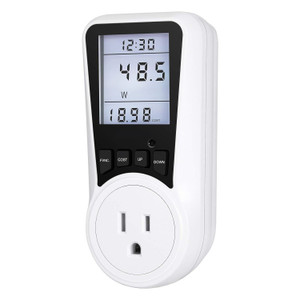
Plug-in energy monitors are smaller devices that connect directly to a wall outlet. Appliances or electronics are then plugged into the monitor itself so users can measure the exact amount of electricity that device consumes.
These monitors are useful for testing refrigerators, gaming systems, portable heaters, office equipment, dehumidifiers, and other devices that may be using more electricity than expected. They’re often a simple starting point for people trying to reduce phantom loads and unnecessary standby power usage.
Smart Energy Monitoring Systems
Smart energy monitoring systems combine real-time electricity tracking with mobile apps, cloud reporting, and smart home integrations. Many models support features like custom alerts, appliance detection, historical reporting, and utility rate tracking.
Some smart systems can also integrate with solar panel systems, battery backups, or smart home platforms like Alexa and Google Home. This gives users more control over how electricity is being used throughout the day and helps create a more complete picture of overall energy efficiency.
Benefits of Using Energy Monitors
One of the biggest advantages of using an energy monitor is gaining a clearer understanding of how electricity is actually being used throughout a home or commercial property. Many people are surprised to learn how much energy is wasted by appliances, HVAC systems, electronics, or equipment that runs longer than necessary.
Lower Utility Bills
Energy monitors help reduce unnecessary electricity usage by showing where power consumption is highest. Real-time tracking makes it easier to adjust habits, reduce wasted energy, and avoid expensive spikes in usage during peak utility hours. Even small changes can add up over time when inefficient devices or patterns are identified early.
Identify Energy-Hungry Appliances
Some appliances consume far more electricity than people realize, especially older refrigerators, space heaters, water heaters, HVAC systems, and commercial equipment. Energy monitors can help pinpoint which devices are driving up electric bills and reveal hidden phantom loads from electronics that continue drawing power even when they appear to be off.
Better Energy Efficiency Decisions
Energy usage data makes it easier to decide where efficiency upgrades will have the biggest impact. Instead of guessing, homeowners and facility managers can use actual consumption patterns to prioritize improvements like LED lighting upgrades, insulation projects, ENERGY STAR® appliances, smart thermostats, or HVAC replacements.
Real-Time Visibility Into Energy Usage
Most smart energy monitors provide live usage data through mobile apps or online dashboards. This allows users to check energy consumption throughout the day, monitor changes over time, and respond quickly if something unusual starts increasing electricity demand.
Improved Monitoring for Businesses
Commercial properties often have multiple systems operating at the same time, including lighting, HVAC equipment, refrigeration, computers, and machinery. Energy monitors help business owners and facility managers understand operational energy usage, reduce unnecessary overhead costs, and improve long-term energy management across the property.
Best Features to Look For in Energy Monitors
Not all energy monitors offer the same level of tracking, reporting, or compatibility. Some systems focus on basic electricity monitoring, while others provide detailed appliance tracking, smart home integration, and advanced reporting tools that help uncover long-term energy trends.
Mobile App Connectivity
Most modern energy monitors connect to a mobile app that displays real-time electricity usage, historical trends, and usage alerts. A well-designed app makes it easier to check energy consumption throughout the day and quickly spot unusual spikes in power usage.
Appliance-Level Tracking
Some smart energy monitors can identify and track individual appliances based on their electrical signatures. This feature helps users understand exactly how much electricity devices like HVAC systems, refrigerators, water heaters, or office equipment are consuming over time.
Circuit-Level Monitoring
Circuit-level monitoring provides more detailed tracking inside the electrical panel by measuring specific circuits individually. This is especially useful for larger homes, workshops, retail spaces, or commercial buildings where different systems and equipment may need to be monitored separately.
Solar Monitoring Compatibility
For properties with solar panels, certain energy monitors can track both electricity consumption and solar production in real time. This helps users understand how much energy is being generated, how much is being pulled from the utility grid, and how effective the solar system is throughout the day.
Utility Rate and Peak Usage Tracking
Some energy monitoring systems allow users to input utility rate structures and time-of-use pricing. This makes it easier to identify when electricity costs are highest and adjust usage habits to reduce peak demand charges and monthly utility expenses.
Smart Home Integration
Many smart energy monitors work alongside platforms like Alexa, Google Home, and other connected home systems. This can create additional automation opportunities, including smart scheduling, lighting controls, and energy-saving routines tied directly to real-time electricity usage.
Alerts and Notifications
Custom alerts can notify users when energy usage suddenly increases beyond normal levels. This feature can help detect failing appliances, equipment left running unexpectedly, or unusual energy spikes that may otherwise go unnoticed until the next utility bill arrives.
Energy Monitors for Businesses
Energy monitors can play a major role in helping businesses control overhead costs and improve overall operational efficiency. Commercial buildings often consume electricity across multiple systems at once, including HVAC equipment, lighting, refrigeration, computers, machinery, and production equipment. Without visibility into where that power is being used, utility costs can quietly climb over time.
Commercial energy monitoring systems provide real-time data that helps business owners and facility managers identify waste, monitor peak demand periods, and track energy usage trends across the property. This information can reveal equipment that runs inefficiently, systems left operating after hours, or areas where electricity consumption is significantly higher than expected.
Retail stores, offices, warehouses, restaurants, manufacturing facilities, and multi-tenant buildings can all benefit from energy monitoring. Some systems allow businesses to track individual circuits or departments separately, making it easier to understand how different operations contribute to overall utility costs.
Energy monitors are also useful when planning larger efficiency upgrades. Instead of relying on estimates alone, businesses can use actual electricity usage data to evaluate lighting retrofits, HVAC improvements, refrigeration upgrades, insulation projects, or equipment replacements based on measurable energy consumption patterns.
For companies focused on sustainability goals or reducing long-term operating expenses, energy monitoring creates a stronger foundation for making informed energy management decisions year-round.
Energy Monitors for Homes
Energy monitors give homeowners a much clearer understanding of how electricity is being used throughout the house. Instead of waiting for the monthly utility bill to see overall costs, homeowners can track real-time energy usage and identify exactly where power consumption is highest.
Whole-home energy monitors are especially useful for larger households with multiple appliances, HVAC systems, entertainment setups, home offices, or electric vehicle chargers. Monitoring systems can reveal patterns that are easy to miss, like air conditioning running longer than expected, older appliances drawing excessive power, or electronics continuing to consume electricity while sitting idle.
Plug-in energy monitors are another practical option for homes looking to test specific devices individually. Refrigerators, freezers, gaming consoles, dehumidifiers, portable heaters, and washing machines are common examples of appliances that homeowners often evaluate to better understand energy costs.
For families focused on lowering utility bills, energy monitors can also support smarter decisions about efficiency upgrades. Real usage data helps determine where improvements like LED lighting, insulation upgrades, smart thermostats, newer appliances, or HVAC replacements may have the biggest impact on long-term energy savings.
Many homeowners also use smart energy monitors alongside solar panel systems, battery backups, or smart home technology to gain even more control over electricity usage throughout the day.
Frequently Asked Questions About Energy Monitors
What does an energy monitor actually do?
An energy monitor tracks electricity usage in real time so you can see how much power your home or business is consuming. Many systems also break down usage patterns, helping identify appliances or equipment that may be increasing utility costs unnecessarily.
Can an energy monitor help lower electric bills?
Yes. Energy monitors help uncover wasted electricity usage that often goes unnoticed, including phantom loads, inefficient appliances, and equipment running longer than necessary. Having access to real-time usage data makes it easier to adjust habits and improve overall energy efficiency.
What’s the difference between a plug-in energy monitor and a whole-home energy monitor?
A plug-in energy monitor tracks the electricity usage of a single appliance or device connected to an outlet. A whole-home energy monitor connects to the electrical panel and measures energy consumption across the entire property, often including circuit-level or appliance-level tracking.
Do energy monitors work with solar panel systems?
Many smart energy monitors are compatible with solar energy systems and can track both electricity consumption and solar production at the same time. This helps homeowners and businesses understand how much pow er is being generated, stored, or pulled from the utility grid throughout the day.