
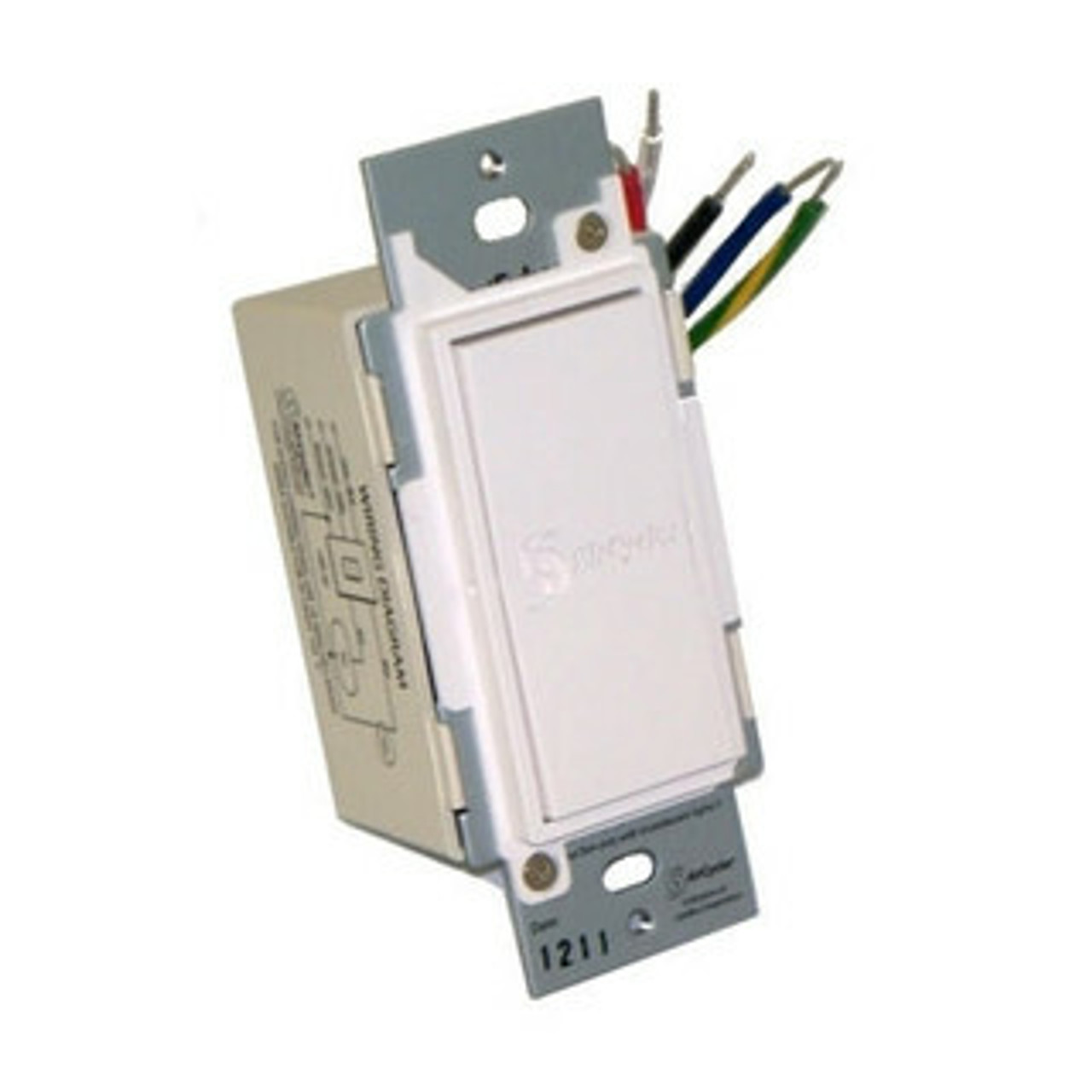


-

BN-Link Durable Seedling Heat Mat Warm Hydroponic Waterproof 10" x 20.75" CP-C93-1- Case of 90 Minimum
BN-Link
Our Item #: 21463s
- MFG #:
$8.48 -

BN-Link In-Wall Countdown Timer Switch with Push Button CP-U211C- Case of 75 Minimum
BN-Link
Our Item #: 21379s
- MFG #:
$10.20 -
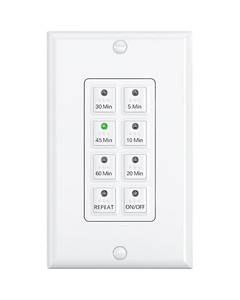
BN-Link Countdown Digital Wall Timer Switch for Exhaust Fan with Push Button BND-60/U110a-1 - Case of 70 Minimum
BN-Link
Our Item #: 21380s
- MFG #:
$11.48 -
 $13.05
 -
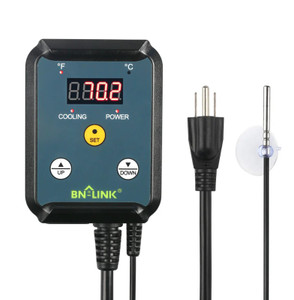
BN-Link Digital Cooling Thermostat Controller 40-108°F T7B(C)- Case of 48 Minimum
BN-Link
Our Item #: 21447s
- MFG #:
$15.98 -

BN-Link Digital Heat Mat Thermostat Controller 40-108°F T7B(H)- Case of 48 Minimum
BN-Link
Our Item #: 21441s
- MFG #:
$15.98 -

BN-Link 10" x 20.75" Seedling Heat Mat with Thermostat Controller Combo Set- Case of 42 Minimum
BN-Link
Our Item #: 21461s
- MFG #:
$18.23 -
 $23.96
 -

BN-Link 20" x 20.75" Seedling Heat Mat with Thermostat Controller Combo Set- Case of 28 Minimum
BN-Link
Our Item #: 21462s
- MFG #:
$27.23 -
 $34.00
 -

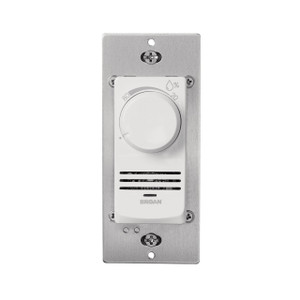
Broan-NuTone® Humidity Sensing Low Voltage Boost Override Wall Control VBATHDW- Case of 9 Minimum
Broan
Our Item #: 21041
- MFG #:
$37.64 -
 $47.84FREE SHIPPING and discounts for bulk orders. Hit the Volume Request Button.
Bathroom Fan Timer Switches for Efficient Ventilation Control
Fan timer switches are a practical solution for maintaining proper ventilation across commercial spaces, from restrooms and locker rooms to maintenance areas and warehouses. These controls ensure exhaust fans run only as long as needed, improving air quality while keeping energy use in check. By automating fan shut-off, timer switches help reduce utility costs, extend equipment life, and support compliance with ventilation and building standards. Available in mechanical, digital, and smart models, they integrate easily with existing systems to provide consistent, energy-efficient airflow management in any facility.
What Is a Fan Timer Switch?
A fan timer switch is an electrical control device that manages how long a fan operates after it’s turned on. Commonly used in commercial and industrial ventilation systems, it allows facilities to maintain proper airflow without wasting energy. Once activated, the timer runs the fan for a preset duration, then automatically shuts it off. Fan timer switches come in several formats, including mechanical dial timers, digital countdown switches, and programmable smart controls that can connect to larger building automation systems. This simple control adds efficiency, reduces maintenance costs, and helps ensure consistent ventilation across work areas.
Benefits of Installing a Fan Timer Switch
Adding a fan timer switch to your facility’s ventilation system delivers measurable savings and better environmental control. By limiting fan run time, these switches cut unnecessary energy use and lower operating costs.
They also help prevent humidity buildup that can lead to mildew, corrosion, or equipment damage. In restrooms, locker rooms, or kitchens, timed ventilation keeps air quality consistent and odors under control. For property managers and maintenance teams, fan timer switches simplify compliance with energy efficiency standards and reduce the need for manual monitoring. It’s a small upgrade that keeps your air systems running smarter and longer.
Fan Timers, Switches & Controls
Leaving the bathroom fan on after your morning shower can be a tricky proposition. Studies show that turning the fan off after less than 20 minutes increases the risk of long-term mold build-up, which can cause considerable property damage and respiratory distress. But many of you know the feeling of keeping the fan on and then forgetting all about it, leading to hours of wasted electricity and energy. An exhaust fan timer switch from Conservation Mart solves this problem by leaving the fan on for a set amount of time (even if you turn the light off) to clear the room of moisture without driving up your utility costs.
We carry an assortment of bathroom fan timer switches from leading manufacturers such as DewStop, Grasslin and AirCycler that work on your schedule. Find mechanical ventilation control devices that allow you to set the timer when you step in the shower along with digital fan timers with delay settings for use with hot tubs and spas. Most timers can be set for up to 60 minutes so you can clear particularly humid areas. We also carry variable-speed exhaust fan timers for use with compatible ceiling fans as well as triple combination switches to control multiple devices.
With affordable and programmable timer switches for exhaust fans, you can leave the bathroom every time knowing your ventilation will take care of itself. Adding a ventilation timer to your home, hotel, office or store bathroom will help you improve air quality and reduce condensation in the most efficient way possible. See our Fan Light Switch guide for more on these easy-to-install devices. Conservation Mart’s goal is to leave every customer satisfied, which is why we offer fast shipping and no-hassle returns on every purchase. And when you call our offices during business hours, a live person will always answer the phone to provide expert advice. Order your new exhaust fan timer switch today to air out your bathroom the eco-conscious way!
Common Control Types and What They Solve
Bathroom exhaust fans do a solid job when they run long enough to clear humidity and odors, but they waste energy when they get left on for hours. The right control keeps ventilation consistent across your building, cuts nuisance complaints, and takes the guesswork out of “Did someone shut the fan off?”
Countdown timer switches
A countdown timer runs the fan for a set amount of time, then shuts it off automatically. This is the go-to option for most commercial restrooms because it’s simple, predictable, and easy for staff and occupants to understand.
- Solves: Fans left on all day, inconsistent run time, noisy fans running during low traffic.
- Best for: Single restrooms, low to medium traffic restrooms, janitorial closets with exhaust, post-cleaning ventilation.
- Typical setup: Presets like 5, 10, 15, 30, 60 minutes depending on the space and fan performance.
Mechanical spring wound timers
These use a simple dial and spring mechanism. They’re popular for older buildings where the switch box wiring is limited, and they tend to be straightforward to maintain.
- Solves: Basic run time control in older electrical setups, reducing “always on” fan operation.
- Best for: Retrofits, low complexity maintenance environments, locations where a basic dial is preferred.
- Watch for: Time range and fit in the wall box, some mechanical units are bulkier.
Occupancy and vacancy sensor fan controls
Sensor controls respond to motion. Occupancy sensors turn on automatically when someone enters, then shut off after a set delay. Vacancy sensors require manual on, then shut off automatically. These are great when people forget to use the switch.
- Solves: Fans that never get turned on, fans that get left on, inconsistent occupant behavior.
- Best for: Shared restrooms, public-facing restrooms, facilities where staff is tired of chasing switches.
- Typical setup: A shutoff delay that keeps the fan running after the room clears, so odors and humidity still get pulled out.
Humidity sensing fan controls
Humidity sensing controls, often called humidistats, turn the fan on or extend runtime when moisture spikes. These help a lot in restrooms that see frequent hand washing, shower use, or poor natural drying.
- Solves: Lingering moisture, fogged mirrors, mildew risk, moisture damage on paint and finishes.
- Best for: Shower rooms, locker rooms, spa areas, high humidity restrooms, chronically damp spaces.
- Typical setup: A humidity setpoint plus a run-on period, so the fan does not cycle on and off too rapidly.
Programmable and smart fan controls
Programmable controls add schedules and adjustable settings, and some models offer app-based control. These are useful when you want standardized behavior across multiple restrooms or you need ventilation to follow operating hours.
- Solves: Inconsistent settings across locations, fans running after-hours, difficulty standardizing controls across a portfolio.
- Best for: Multi-site operations, facilities teams managing many restrooms, buildings with defined open and closed hours.
- Watch for: Network requirements and who owns the settings, especially if access needs to stay with the facility team.
Fan and light combo controls
Some controls manage the fan and lighting from one device, either as two separate controls or a timed fan paired with a standard light switch. This is a clean way to keep restrooms consistent without adding more wall devices than you need.
- Solves: Fans not used because the switch is separate, messy multi-gang switch layouts, inconsistent occupant use.
- Best for: Single restrooms, remodels where you’re reworking the switch wall, locations that benefit from simple user behavior.
- Watch for: Load ratings and wiring needs since you are controlling more than one circuit.
Code, Safety, and Listings Buyers Look For
Bathroom exhaust fan controls in commercial restrooms need to be easy to install, easy to approve, and predictable in day to day use. Buyers typically start by confirming the device has a recognized safety listing, since that keeps procurement and inspections smoother. You will usually see marks like UL Listed, cUL Listed, or ETL Listed on the device, packaging, or cut sheet. Having that documentation ready matters because it helps reduce inspection friction and makes it easier to standardize the same control across multiple bathrooms.
Next, most buyers focus on electrical ratings, because exhaust fans are a motor load and not every wall control is appropriate for fan duty. The control should match the building voltage, which is commonly 120V in many spaces but can be 277V in commercial environments. It also needs an amperage rating, and ideally a motor or HP rating that clearly supports exhaust fan use. Switching configuration matters too. If the fan needs to be controlled from more than one location, the device has to support that setup, instead of assuming a simple single pole install.
Wiring requirements are another common decision point, especially for retrofits. Many electronic timers, sensors, and smart controls require a neutral wire in the wall box, while some mechanical timers do not. Buyers also pay attention to grounding requirements and basic install fit, because deeper devices can run into box depth and box fill limits, particularly in older buildings or crowded multi-gang boxes. Sorting that out upfront can save a lot of time once the electrician is onsite.
Because restrooms are humid spaces, product labeling around environment suitability also tends to come up. In standard restrooms, the focus is usually just reliability, but in shower areas, locker rooms, or consistently damp rooms, buyers often look for products that are explicitly suited for those conditions per the manufacturer’s labeling and instructions. For humidity sensing controls, shoppers also want clear performance notes like setpoint range and run-on behavior so the fan does not kick on and off constantly.
Finally, commercial buyers usually want documentation that supports both purchasing and field installation. A solid cut sheet that spells out voltage, load ratings, wiring diagram, and device dimensions is often the difference between a smooth rollout and a string of jobsite surprises. Clear installation instructions help standardize installs across locations, and warranty plus support info matters when you are trying to keep maintenance consistent across a building or a portfolio.
Typical Commercial Applications for a Programmable Fan Timer Switch
Bathroom exhaust fan timer switches and controls show up anywhere you have restrooms that need consistent ventilation without relying on someone to remember the switch. In most commercial settings, the “right” application comes down to traffic patterns, how much humidity the space generates, and how standardized you want your controls to be across the building.
Office and coworking restrooms often benefit from straightforward countdown timers or vacancy sensors, since the goal is predictable run time and fewer calls about fans being left on after hours. Facilities teams typically choose preset timers to keep usage simple and consistent across multiple restrooms on the same floor.
Restaurants, bars, and retail restrooms tend to be higher traffic and more public-facing, so occupancy sensing controls are common when you want ventilation to trigger automatically. These locations often deal with odor complaints and heavy turnover, so a sensor paired with a longer shutoff delay can keep air moving after the room clears without running the fan all day.
Schools, campuses, and municipal buildings usually prioritize durability and repeatable behavior. Countdown timers and vacancy sensors are common because they reduce “mystery settings” and keep control simple for staff, substitutes, and rotating users. In larger facilities with multiple restrooms, standardizing one or two control types can make maintenance and replacement easier.
Gyms, locker rooms, and shower areas are the classic case for humidity sensing controls, since moisture is the primary problem. A humidistat-style control can extend runtime when humidity spikes, which helps cut down on lingering dampness and the finish damage that can come with it. These spaces may also use a timer as a backup run-on so ventilation continues after peak use.
Healthcare clinics and medical offices often lean toward controls that keep ventilation consistent and reduce occupant touchpoints. Depending on the facility’s preferences, that can mean sensors for hands-free operation or timers that ensure the fan runs long enough after each use without staying on indefinitely.
Hotels and multi-unit properties usually care about guest experience, noise complaints, and energy use across a lot of similar rooms. Timers and humidity sensing controls are common for keeping ventilation effective without relying on guests to leave the fan running. Property teams also like controls that are easy to reset and standardize during turns and renovations.
Industrial sites, warehouses, and back-of-house restrooms typically prioritize reliability and low maintenance. Countdown timers are common when you want a simple “set it and forget it” approach, and sensors can be useful when restrooms are used sporadically and fans are frequently left on by shift workers.
Janitorial closets and housekeeping areas with exhaust are another frequent use case, especially when chemicals, moisture, or odors need to clear after cleaning. Timers help ensure the fan runs long enough after the door closes, without running all night because s
Frequently Asked Questions About Fan Timer Switches
A fan timer switch controls how long a fan runs after it’s turned on, automatically shutting it off once the set time expires to save energy and maintain proper ventilation.
They’re commonly installed in restrooms, locker rooms, utility areas, and kitchens where continuous ventilation isn’t necessary but timed airflow improves air quality and comfort.
Options include mechanical dial timers, digital countdown switches, and smart Wi-Fi timer switches that integrate with building management systems or automation platforms.
Yes, many models are rated for higher electrical loads and are compatible with commercial-grade exhaust or ventilation fans. Always check the electrical capacity before installation.
For most commercial setups, yes. A licensed electrician should handle wiring and ensure the switch meets local electrical codes and building standards.
They prevent fans from running longer than necessary, which reduces power consumption, lowers utility costs, and helps extend fan motor life.
Yes. Many smart fan timer switches can connect to Wi-Fi, allowing integration with building automation systems or voice assistants for remote scheduling and monitoring.