


-
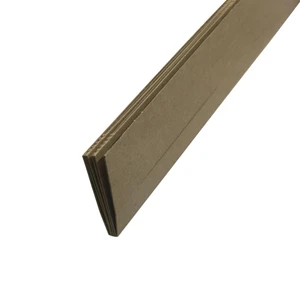
Frost King Fiber Framing Strips for Outdoor Windows and Doors, 3/4 In. x 36 In., Beige, WM100M – Case of 24 Minimum
Frost King
Our Item #: 21290
- MFG #:
$2.63 -

Frost King Self Stick Door Sweep Brown DS101BH - Case of 24 Minimum
Frost King
Our Item #: 11080s
- MFG #:
$2.66 -

Frost King Self Stick Door Sweep White DS101WH - Case of 24 Minimum
Frost King
Our Item #: 11061s
- MFG #:
$2.66 -

Conserve Smart Door Sweep Rolled Door Draft Stopper Weatherstripping 2" x 39"- Case of 85 bags Minimum
Conserve Smart
Our Item #: 19002s
- MFG #:
$2.75 -

Frost King Replacement Door Seal for Kerfed Millwork Doors, White DS7W/25 - Case of 25 Minimum
Frost King
Our Item #: 19682
- MFG #:
$3.33 -
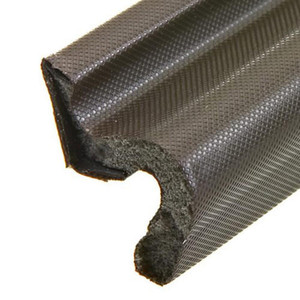
Frost King 1" x 7 ft Replacement Door Seal for Kerfed Millwork Doors, Brown DS7B/25 - Case of 25 Minimum
Frost King
Our Item #: 19693
- MFG #:
$3.55 -

BITS Door Sweep 1" single flange, 36" White/White, Trifold, DS-10SV-36WW-3AS - Case of 15 Minimum
BITS Ltd.
Our Item #: 20333.2s
- MFG #:
$3.85 -
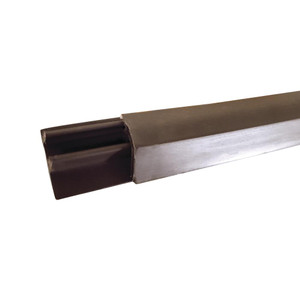
Frost King Self Stick Framing Strips for Indoor Windows, 60 In. Long, Brown, SLB60A – Case of 6 Minimum
Frost King
Our Item #: 21289
- MFG #:
$3.90 -

Frost King Self Stick Framing Strips for Indoor Windows, 60 In. Long, White, SLW60A – Case of 6 Minimum
Frost King
Our Item #: 21288
- MFG #:
$3.90 -
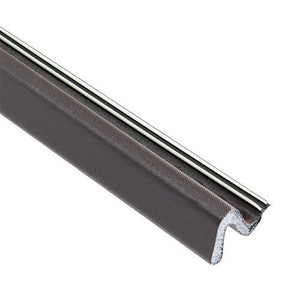
Simply Conserve® Kerfed Door Frame Seal Weatherstripping Brown QEBD650 84-B
AM Conservation
Our Item #: 19882
- MFG #:
$3.95 -
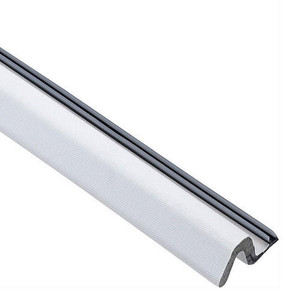
Simply Conserve® Kerfed Door Frame Seal Weatherstripping White QEBD650 84 Min of Case of 30
AM Conservation
Our Item #: 19883s
- MFG #:
$3.95 -
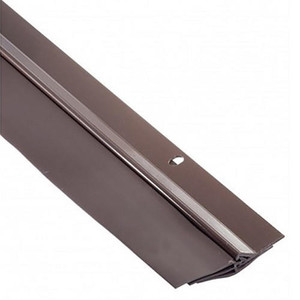
Simply Conserve® Triple Door Sweep Brown TSV325L-B - Case of 50 Minimum
AM Conservation
Our Item #: 19884s
- MFG #:
$4.56
Types of Door Sweeps and Threshold Seals
Choosing the right door sweep or threshold seal starts with how your door is built and how it is used. Some models are better for busy exterior doors, while others are ideal for interior doors or light duty gaps. The options in this category cover adhesive, screw mounted, automatic, brush, and flexible blade styles so you can match the seal to your door and flooring.
Adhesive Door Sweeps
Adhesive door sweeps use a peel and stick backing along a flexible vinyl or rubber blade. They are a good fit for renters or quick upgrades since you can cut them to length, press them into place, and remove them later with minimal marks on the door.
Screw Mounted Door Sweeps
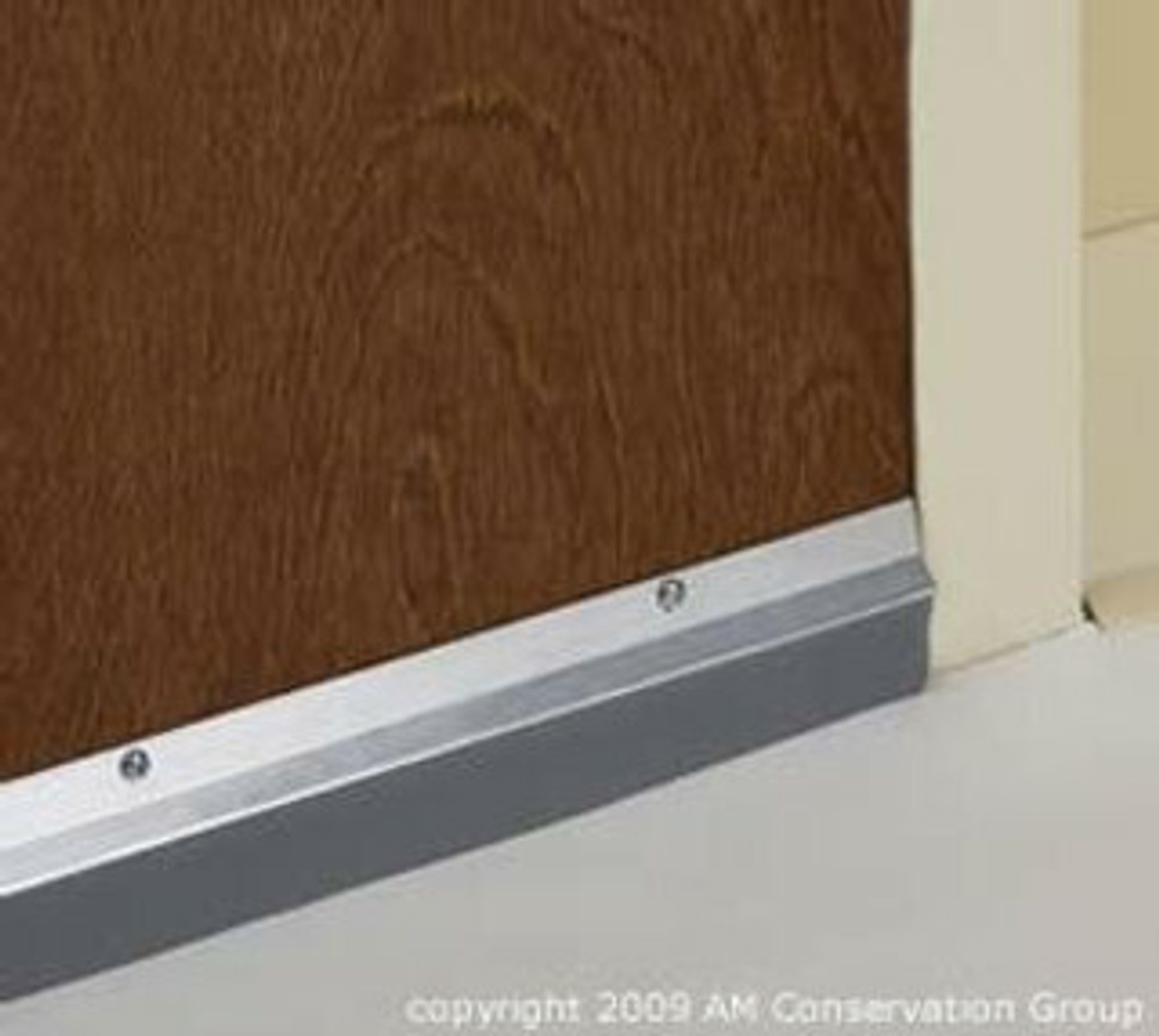
Screw mounted sweeps typically combine an aluminum or steel bar with a vinyl or rubber insert. This setup gives a stable, long lasting seal that holds up well on exterior doors, high traffic entries, and heavier commercial doors. Once aligned with the threshold, the sweep helps close the gap and cut down on air infiltration.
Automatic Door Sweeps
Automatic door sweeps use an internal mechanism that drops the seal when the door closes and lifts it when the door opens. This design works well for doors that need smoother movement across tile, concrete, or uneven flooring while still keeping a tight seal against drafts, sound, and light when the door is shut.
Brush Door Sweeps
Brush sweeps use dense nylon or polypropylene bristles mounted to a metal holder. The bristles flex around uneven surfaces and small floor variations, which helps block dust, debris, and pests without dragging. These are a strong option for walk out doors near garages, warehouses, or exterior storage areas.
Rubber and Vinyl Blade Sweeps
Rubber and vinyl blade sweeps rely on a flexible fin that bends slightly against the threshold to seal out cold air and outdoor elements. They are common on both residential and light commercial doors and are often used where energy savings and comfort are the main goals.
Threshold Seals
Threshold seals work with the bottom of the door to create a continuous line of protection. By pairing a properly sized sweep with the right threshold profile, you can close the gap under the door more effectively, reduce drafts, and keep moisture and insects from slipping through low spots.
Finding the Right Fit for Your Door
A door sweep or threshold seal works best when it matches the door material, the style of threshold, and the size of the gap under the door. Taking a few quick measurements before you buy helps you avoid guesswork and makes installation smoother.
Match the Sweep to Your Door Material
Start with the door itself. Wood, steel, and fiberglass doors can all use sweeps, but screw locations and clearances can be a little different. Check the width of the door, note if it is an interior or exterior opening, and confirm that the mounting style of the sweep you pick lines up with the bottom edge of the door.
- Wood doors: Usually accept both adhesive and screw mounted sweeps.
- Steel doors: Often pair well with metal body sweeps and automatic drop seals.
- Fiberglass doors: Usually need careful screw placement and a sweep sized to the factory cut bottom.
Check the Threshold and Floor Surface
The height and shape of the threshold has a direct impact on which sweep style works best. A tall saddle threshold might need a shorter, stiffer blade, while a low profile threshold or flat floor benefits from a longer flexible fin or brush.
- High thresholds: Use shorter blades or automatic sweeps that drop into place.
- Low thresholds or flat floors: Flexible vinyl or rubber fins help close small gaps.
- Uneven surfaces: Brush sweeps help the seal follow slight changes in floor height.
Measure the Gap Under the Door
Measure from the bottom of the closed door down to the highest point of the threshold or floor. This gap size points you toward the correct sweep profile and helps you avoid dragging or light leaks.
- Small gaps: Slim vinyl or rubber fins often work well.
- Medium gaps: Standard blade sweeps or brush sweeps are a strong fit.
- Large gaps: Taller blades or automatic drop seals provide more coverage.
Once you know the door material, threshold style, and gap height, you can use the filters on this page to narrow down to sweeps and thresholds that match your setup. That way you get a clean seal and avoid extra trips back and forth to the door with tools.
Materials That Affect Performance and Durability
The materials used in a door sweep or threshold seal make a noticeable difference in how long it lasts and how well it handles daily use. Each option brings its own strengths, so choosing the right one depends on the type of door, the conditions around it, and how often it is opened and closed.
Aluminum and Other Metals
Many screw mounted sweeps use an aluminum body because it stays rigid and keeps the seal aligned along the bottom of the door. This helps the sweep sit flush against the threshold and improves the consistency of the seal over time. Metal backed designs are common on exterior and commercial doors since they handle more traffic.
Silicone and Rubber Blades
Silicone and EPDM rubber blades flex cleanly against the threshold and stay responsive in cold or hot conditions. These materials are popular for energy savings and comfort improvements, especially on residential doors. They help reduce outdoor air movement and limit heat loss around the bottom of the door.
Vinyl Fins
Vinyl fins are used in many adhesive and screw mounted sweeps. The material is flexible and easy to trim, which makes it a simple upgrade for older doors that need a quick improvement. Vinyl can handle regular use and provides a steady balance of durability and comfort control.
Brush Bristles
Brush style sweeps use tightly packed nylon or polypropylene bristles that move around small floor variations without bending permanently. This design helps block dust, debris, and small pests. Bristle sweeps work especially well near garages, workshops, and storage areas that see more dirt and airflow.
The material you choose should match the door's environment. High traffic entries and exterior doors often benefit from metal backed designs and silicone blades, while interior doors and low traffic areas can use vinyl or brush styles with ease.
Frequently Asked Questions About Door Sweeps and Threshold Seals
Most standard doors accept either adhesive or screw mounted sweeps. As long as the door width is typical and the bottom edge is in good shape, sizing is straightforward.
Door sweeps close the gap under the door, which helps limit air movement and heat loss. Many homes and facilities see a noticeable improvement in comfort once the seal sits flush with the threshold.
Brush sweeps handle small height changes well because the bristles flex and follow the surface. Automatic sweeps are another option since they drop into place only when the door closes.
Adhesive sweeps install quickly with simple trimming. Screw mounted sweeps take a few more minutes but only need basic tools. Both are manageable for standard DIY work.
Measure from the bottom of the closed door to the threshold. Small gaps work well with vinyl fins, medium gaps match brush or rubber blades, and large gaps often need taller profiles or automatic sweeps.
Threshold seals help support the bottom of the door, and pairing them with a sweep gives a more complete seal. This combination works well on exterior doors where drafts and insects are common.