


-

Conserve Smart Refrigerator Temperature Card - Case of 100 Minimum
AM Conservation
Our Item #: 18997s
- MFG #:
$0.85 -

Conserve Smart Hot Water Temperature Check Card CM250HWT - Pack of 250 Minimum
Conserve Smart
Our Item #: 18990s
- MFG #:
$0.97 -

Conserve Smart Custom Refrigerator Temperature Card - Case of 500 Minimum
AM Conservation
Our Item #: 10890.3s
- MFG #:
$1.35 -
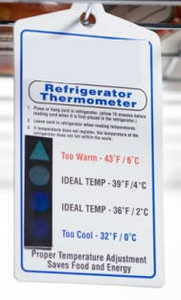
Niagara Refrigerator Temperature Card AMC108-G - Case of 25 Minimum
AM Conservation
Our Item #: 10890s
- MFG #:
$1.67 -
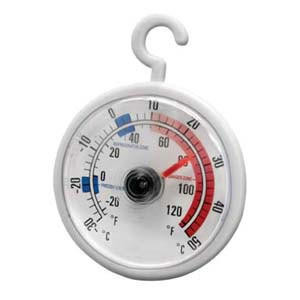
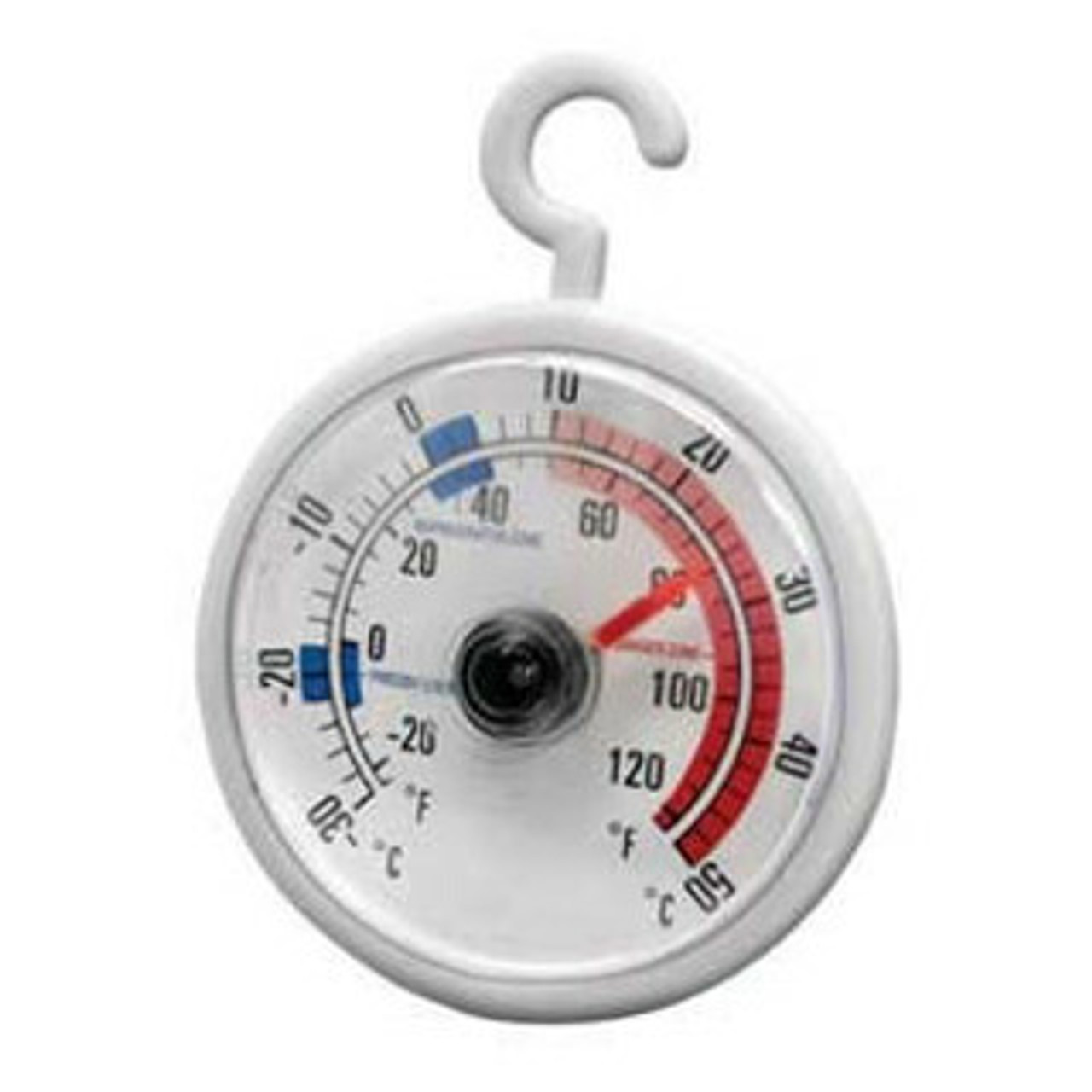
Bimetal Refrigerator Freezer Thermometer AMC111 - Case of 100 Minimum
AM Conservation
Our Item #: 122081s
- MFG #:
$1.93 -

Hot Water Temperature Card AMC109-G - Case of 12 Minimum
AM Conservation
Our Item #: NIC1000s
- MFG #:
$1.95 -
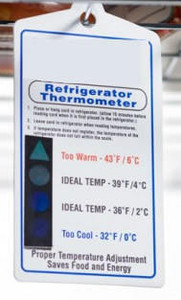
Niagara Custom Refrigerator Temperature Card AMC108-G - Case of 25 Minimum
AM Conservation
Our Item #: 10890.2
- MFG #:
$2.95 -
 $3.50
$3.50 -
 $3.55
$3.55 -
 $3.55
$3.55 -
 $3.90
$3.90 -
 $4.45
$4.45
Types of Temperature Cards
Not all temperature cards work the same way. Different industries and shipping environments require different types of monitoring, especially when products can be damaged by freezing temperatures, excessive heat, or repeated temperature fluctuations during transit.
Irreversible Temperature Cards
Irreversible temperature cards permanently change color once a temperature threshold has been reached. These are commonly used in pharmaceutical shipping, vaccine transport, food distribution, and compliance-heavy industries where there needs to be clear visual proof that a shipment experienced unsafe conditions.
Because the color change cannot be reversed, these cards create a permanent record of exposure that can be checked during receiving inspections, quality control reviews, or compliance audits. They are especially useful for products that become unsafe or ineffective after a single temperature excursion.
Reversible Temperature Cards
Reversible temperature cards change color while the temperature is outside the target range, then return to their original state once conditions stabilize. These are often used for ongoing monitoring inside storage rooms, coolers, refrigerated display areas, laboratories, and active shipping environments where temperatures naturally fluctuate throughout the day.
Businesses often use reversible indicators when they need quick visual monitoring without creating a permanent exposure record every time temperatures temporarily shift.
Freeze Indicator Cards
Freeze indicator cards are designed to detect exposure to freezing temperatures that can damage vaccines, medications, biologics, chemicals, and liquid products. In pharmaceutical and healthcare environments, freezing can permanently reduce product effectiveness even when packaging appears normal from the outside.
These indicators are widely used in cold chain logistics because they help identify shipments that may have been exposed to unsafe freezing conditions during transportation or storage.
High Temperature Indicator Cards
High temperature indicator cards monitor excessive heat exposure during shipping, warehousing, or manufacturing. These are commonly used for electronics, chemicals, industrial products, adhesives, and heat-sensitive materials that can become damaged when temperatures rise too high during transit.
By providing a clear visual warning of overheating, these cards help businesses reduce product loss, warranty claims, and costly shipping disputes.
Common Applications for Temperature Cards
Temperature cards are used across a wide range of industries where products need to stay within a safe temperature range during shipping, storage, or handling. They provide a simple way to verify conditions without relying entirely on electronic monitoring systems.
Pharmaceutical Shipping
Temperature cards are widely used in pharmaceutical logistics to help protect medications, vaccines, biologics, and other temperature-sensitive healthcare products. Many pharmaceutical products can lose effectiveness after exposure to excessive heat or freezing temperatures, making temperature verification a critical part of cold chain compliance.
By placing temperature indicator cards inside shipping containers or insulated packaging, pharmacies, distributors, hospitals, and healthcare providers can quickly confirm that products stayed within the proper range during transit.
Food & Beverage Distribution
Food distributors and refrigerated shipping companies use temperature cards to help reduce spoilage and verify cold storage conditions throughout transportation. Products like dairy, seafood, frozen foods, meal kits, produce, and prepared foods can become unsafe after temperature abuse during shipping or warehousing.
Temperature indicators give receiving teams a fast visual way to inspect incoming deliveries and identify shipments that may have experienced refrigeration failures or excessive heat exposure.
Laboratory & Medical Storage
Laboratories, blood banks, research facilities, and medical storage environments often rely on temperature cards to monitor sensitive biological samples, testing materials, and medical supplies. Even short periods outside the recommended temperature range can compromise samples or create inaccurate testing conditions.
Visual temperature indicators help laboratory staff quickly verify storage integrity without needing to constantly inspect electronic monitoring equipment.
Industrial & Electronics Shipping
Industrial products and electronic components can also be damaged by excessive temperatures during transportation or long-term storage. Adhesives, chemicals, batteries, sensors, and sensitive electronic equipment are especially vulnerable to overheating inside trucks, containers, or warehouses.
Temperature cards help manufacturers, distributors, and shipping teams identify potential exposure issues before damaged products are installed, sold, or placed into service.
Benefits of Using Temperature Cards
Temperature cards give businesses a straightforward way to monitor shipping and storage conditions without adding complicated equipment or expensive tracking systems. For many industries, they provide a practical layer of protection against spoilage, product damage, and compliance issues.
One of the biggest advantages is simplicity. Temperature cards provide immediate visual confirmation when a shipment has been exposed to temperatures outside the acceptable range. There’s no software to install, no batteries to replace, and no calibration requirements to manage. Staff can quickly inspect incoming shipments and make decisions without needing specialized training or equipment.
They’re also cost-effective compared to electronic data loggers and active monitoring systems. Businesses shipping large volumes of temperature-sensitive products often use temperature cards as an affordable monitoring solution across individual packages, pallets, coolers, and storage containers.
Temperature indicators can also help reduce inventory loss and customer disputes. If products arrive damaged due to heat exposure or freezing conditions, the card provides a clear visual record showing that unsafe temperatures occurred during shipping or storage. This can be especially important in pharmaceutical distribution, food transportation, laboratory handling, and refrigerated logistics.
Another major benefit is compliance support. Many industries require proof that temperature-sensitive products remained within approved ranges throughout transit and storage. Temperature cards help support quality control procedures, receiving inspections, and internal documentation processes for regulated products and cold chain operations.
How to Choose the Right Temperature Card
Choosing the right temperature card starts with understanding the type of product being monitored and the conditions it may encounter during shipping or storage. Different cards are designed for different temperature ranges, exposure limits, and monitoring requirements.
Temperature Threshold Range
The first thing to consider is the temperature range that matters for your product. Some temperature cards are designed to detect freezing conditions, while others activate when temperatures climb above a specific heat threshold. Pharmaceutical products, food shipments, electronics, and industrial materials all have different acceptable temperature limits, so the trigger point needs to match the product’s storage requirements.
Exposure Duration Requirements
Some products become damaged after only a short period outside the target temperature range, while others are affected by cumulative exposure over time. Certain temperature cards react instantly once a threshold is reached, while others are designed to monitor longer exposure periods during transit or storage. Matching the indicator type to the expected shipping conditions helps improve monitoring accuracy.
Single-Use vs Reusable Cards
Irreversible temperature cards are typically single-use and permanently record exposure events. These are commonly used for compliance-heavy shipping environments where proof of exposure matters. Reversible cards, on the other hand, can continue monitoring changing temperatures over time and are often reused in storage rooms, refrigerated spaces, or ongoing operations.
The right option usually depends on how frequently products are monitored and how important permanent documentation is for your operation.
Industry Compliance Requirements
Businesses operating in regulated industries often need temperature monitoring solutions that support internal quality control procedures and compliance standards. Pharmaceutical shipping, vaccine distribution, laboratory storage, and food transportation frequently require temperature verification as part of cold chain management.
Using the proper temperature card can help support inspection processes, reduce compliance risks, and improve confidence that sensitive products stayed within approved temperature ranges throughout shipping and storage.
Frequently Asked Questions About Temperature Cards
How accurate are temperature cards?
Temperature cards are designed to provide clear visual confirmation when products have been exposed to temperatures outside a specified range. Many are calibrated to activate at precise thresholds, making them useful for cold chain shipping, pharmaceutical storage, food transportation, and other temperature-sensitive applications.
What’s the difference between reversible and irreversible temperature cards?
Reversible temperature cards temporarily change color when temperatures move outside the target range and return to normal once conditions stabilize. Irreversible cards permanently change color after exposure, creating a lasting record that the shipment or product experienced unsafe temperatures.
Where should temperature cards be placed during shipping?
Temperature cards should be placed inside the package or shipping container near the product being monitored. Proper placement helps ensure the card reflects the actual temperature conditions affecting the contents rather than outside air exposure during handling or transit.
Do temperature cards require batteries or electronic equipment?
No. Temperature cards are passive monitoring tools that work without batteries, wiring, software, or electronic calibration. That makes them easy to use in shipping boxes, coolers, refrigerated packaging, storage rooms, and other environments where quick visual monitoring is needed.