



-
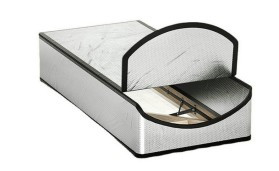
Conserve Smart Attic Stairway Insulation Cover 54" × 25" × 11" CM010ASC- Case of 10 Minimum
Conserve Smart
Our Item #: 21347s
- MFG #:
$18.97 -
 $69.75
 -

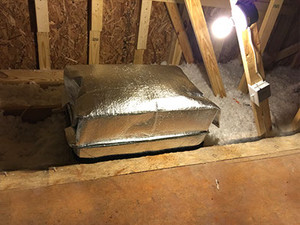
SES Insulated Attic Pull Down Ladder Jacket Cover 22” x 54” PDLJ2254- Case of 4 Minimum
SES
Our Item #: 21152s
- MFG #:
$97.65 -
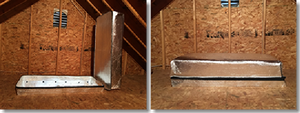
SES Insulated Attic Pull Down Ladder Jacket Cover 25” x 54” PDLJ2554- Case of 4 Minimum
SES
Our Item #: 21153s
- MFG #:
$97.65 -

Battic Door R50 Attic Stair Insulation Cover Kit 22 inch x 54 inch
Battic Door
Our Item #: 12625
- MFG #:
$99.00 -
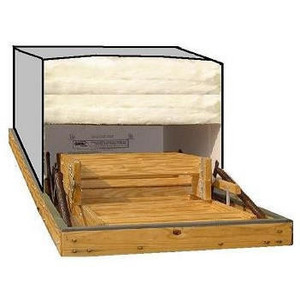
Battic Door R50 Attic Stair Insulation Cover Kit 25 inch x 54 inch
Battic Door
Our Item #: 12626
- MFG #:
$99.00 -
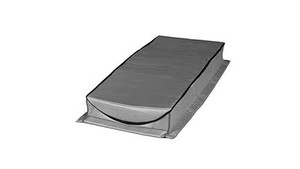
Attic Tent - Attic Stair Insulation Cover (25 in. x 54 in. x 7 in.) AT-2
Attic Tent
Our Item #: 10824.2
- MFG #:
$134.27 -
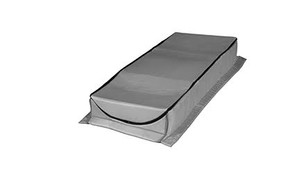
Attic Tent - Attic Stair Insulation Cover (22 in. x 54 in. x 7 in.) AT-1
Attic Tent
Our Item #: 10824.1
- MFG #:
$134.27 -
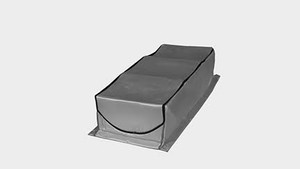
Attic Tent - Attic Stair Insulation Cover (22 in. x 54 in. x 13 in.) AT-3
Attic Tent
Our Item #: 10824.3
- MFG #:
$157.08 -
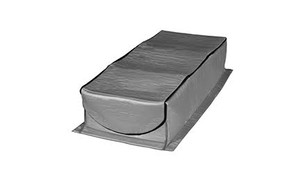
Attic Tent - Attic Stair Insulation Cover (25 in. x 54 in. x 13 in.) AT-4
Attic Tent
Our Item #: 10824.4
- MFG #:
$157.08 -

Attic Tent - Attic Stair Insulation Cover (30 in. x 60 in. x 13 in.) AT-5
Attic Tent
Our Item #: 10824.5
- MFG #:
$174.13 -

E-Z Hatch Insulated Regular Attic Access Scuttle Door R-50 22 inch x30 in. BD-EZR50
Battic Door
Our Item #: 12589
- MFG #:
$359.42
What Is An Attic Stair Cover?
An attic stair cover is an insulated enclosure that sits over your attic access and pull down stairs, usually on the attic side of the opening. Think of it as an insulated box over attic stairs that creates both a thermal and air barrier at the attic hatch. Instead of warm or cool air rushing straight through a thin plywood panel, the attic stair insulation cover wraps the opening in insulation and seals around the frame.
Attic accesses are often one of the biggest energy leaks in the ceiling. A typical pull down stair or scuttle hole is just a sheet of wood or drywall separating your conditioned space from a very hot or very cold attic. In winter, warm air rises through that gap and pulls cold air into the rooms below. In summer, superheated attic air presses down around the hatch and makes the hallway or nearby bedroom feel stuffy.
By adding an attic access insulation cover, you restore continuity in the building envelope. The cover increases the effective R-value at the hatch and creates an air barrier that cuts stack effect, drafts, and hidden air leakage. During a blower door test or energy audit, that sealed attic stair tent helps your home perform closer to its designed insulation levels instead of bleeding air through the access.
Different homes use different styles of attic access, and there are covers to match. Some products are tent style zipper covers for pull down attic stairs, others are rigid box style attic hatch covers for flat scuttle holes or knee wall doors. In every case, the goal is the same: seal leaky attic access, reduce air leakage, and keep the boundary between your living space and the unconditioned attic tight and well insulated.
Energy, Comfort & Cost Benefits Of Attic Stair Covers
Cut Air Leakage And Energy Waste
Attic accesses are notorious for air leakage. Even a small gap around a pull down stair or hatch can act like an open window to the attic. An attic stair cover adds both insulation and an air barrier at that weak spot, which helps reduce air leaks around attic stairs and keeps conditioned air where it belongs. When you tighten up that opening, your existing attic insulation can actually perform closer to its rated R-value instead of constantly fighting heat loss or heat gain.
Improve Comfort In Rooms Under The Attic
If you have a bedroom, hallway, or home office directly under the attic, you already know how much that area can swing in temperature. In winter, cold air drops around the hatch and creates drafts and cold spots. In summer, hot attic air presses into the ceiling and makes those rooms feel stuffy. By sealing and insulating the attic access, you smooth out those temperature swings, reduce drafts, and make the spaces under the attic feel more comfortable day to day.
Support Codes, Rebates And Energy Programs
Energy codes and performance programs focus heavily on air sealing and a continuous building envelope. During a blower door test or energy audit, an unsealed attic hatch can show up as a major leak that keeps a home from hitting target scores. Adding an attic stair insulation cover is an easy way to support IECC energy code requirements, Energy Star targets, and utility rebate program specs. For auditors, contractors, and weatherization crews, these covers are a practical upgrade that improves test results, helps projects qualify for incentives, and delivers measurable savings on heating and cooling bills for the homeowner.
Types Of Attic Stair Covers At Conservation Mart
Insulated Tent Style Covers For Pull Down Stairs
Tent style attic stair covers are one of the most popular options for pull down attic ladders. They create a little insulated “tent” on the attic side of the opening, with a zipper so you can still access the stairs easily. The fabric shell and built-in insulation work together as both a thermal and air barrier, which helps cut air leakage around the ladder frame. These attic stair tents are great for DIY installation, since they usually sit right over the rough opening and rely on simple fastening and sealing to get an effective attic ladder insulation cover in place.
Rigid Box Style Attic Hatch Covers
Rigid attic hatch covers look more like an insulated box that drops over a flat hatch or scuttle hole. They are typically built from rigid foam board or similar materials with higher R-values, which makes them a strong option in colder climates where heat loss at the ceiling is a big concern. Because they are solid, box-style attic access covers hold their shape, are easy to air seal around the framing, and work well for simple rectangular openings, knee wall doors, or infrequently used attic accesses.
Radiant Barrier Attic Stair Covers
Radiant barrier attic stair covers layer reflective foil surfaces over foam or fabric to reduce radiant heat transfer from a hot attic into the living space. In warm or mixed climates, this can help keep hallways and upstairs rooms cooler by reflecting radiant heat back into the attic while the insulation slows conductive heat flow. Radiant barrier attic ladder covers pair well with existing attic insulation and air sealing, giving you another layer of protection against summertime heat gain.
Higher R-Value, Durable And Program-Friendly Options
For projects in very cold regions, energy retrofits, or utility rebate work, higher R-value attic stair covers can be the better fit. These products use thicker insulation, more robust zippers and seams, and durable materials that hold up to frequent attic access. Contractors and weatherization crews often look for attic stair insulation covers that align with program specs, meet target R-values, and help homes pass blower door tests. Choosing a product with the right combination of R-value, durability, and ease of use makes it easier to keep the attic access sealed over the long term while still allowing safe, convenient entry.
Sizing Your Attic Stair Cover
Getting the size right is what makes an attic stair cover actually work. If the cover is too small, you get gaps and air leaks around the frame. If it is too big, it will not sit snugly and can be awkward to use. Before you order, take a few minutes to measure the attic staircase opening and write down those numbers so you can match them to the product specs on Conservation Mart.
How To Measure A Pull Down Attic Stair Opening
For a pull down attic ladder, you are measuring the rough opening, not just the wood panel. With the stairs closed, measure the inside width and inside length of the framed opening in the ceiling. A tape measure placed edge to edge along the interior of the trim or framing will give you the right numbers. Many attic ladder openings are around 22.5 x 54 inches, but do not assume your house uses a standard attic ladder size. Always measure twice so you know which attic stair cover size to pick.
Attic Hatch, Scuttle Hole, Or Knee Wall Door
Not every home has a folding ladder. Some use a simple attic hatch, small scuttle hole, or knee wall door. The process is the same: measure the clear opening where the hatch lifts out or the door swings open. Note the width, height, and how much space you have above or behind the opening for a box style attic hatch cover. A tight, well sized cover will do a better job of air sealing and insulation than an oversized piece that just sits loosely over the area.
Checking Clearance For Ladders And Obstructions
Once you know your attic hatch rough opening dimensions, look at what is around the opening. Make sure there is enough clearance for the cover to sit flat without hitting framing, railings, or storage nearby. Tent style attic stair covers usually need enough height to clear the folded ladder sections, while rigid box covers need vertical space to sit fully over the opening. When in doubt, choose the attic stair insulation cover that gives you a snug fit around the opening and enough room for safe, smooth movement of the ladder or hatch.
By measuring carefully and matching those dimensions to the product listing, you make it easier to choose the right size attic stair cover. A properly fitted cover is what delivers real air sealing, better R value at the access, and consistent performance over time.
Frequently Asked Questions About Attic Stair Covers
Yes. Attic accesses are often one of the leakiest spots in the ceiling. Adding an insulated attic stair cover reduces air leakage and heat loss at the hatch so your attic insulation can perform closer to its rated R value and your heating and cooling system does not have to work as hard.
Most attic stair covers are designed to fit common pull down attic stair and hatch sizes. The key is to measure the rough opening width, length, and available height in the attic, then match those dimensions to the product specs. A snug fit around the frame is what delivers good air sealing and insulation performance.
Many insulated attic stair covers are DIY friendly. Tent style covers usually staple or fasten to the framing and seal with foam tape, while rigid box covers sit over the opening and are sealed around the edges. If you are already comfortable working in the attic, you can typically install a cover with basic tools in a short afternoon.
Attic stair covers are used in many code compliant energy retrofits and utility programs. You should still follow local building and fire code, keep the access clear for safe entry, and make sure the cover does not interfere with required ventilation or equipment service space. When in doubt, check with your contractor or local code office.